This article updated: 10/09/2025
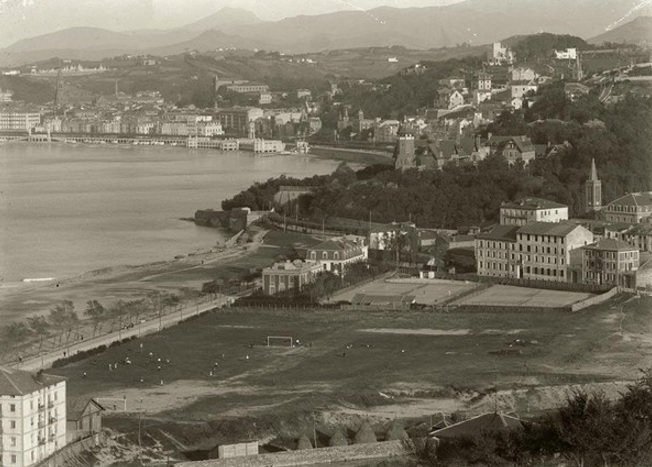
Real Sociedad may have used three stadiums since its formation on 7 September 1909, but nearly 30 years after closing, it is Atotxa that is still viewed as the club’s spiritual home. Life may have started out at the Campo Hípico de Ondarreta, the city’s old racecourse, but it was in 1913 that the club put down its roots at the mythical Campo de Futbol Atotxa.
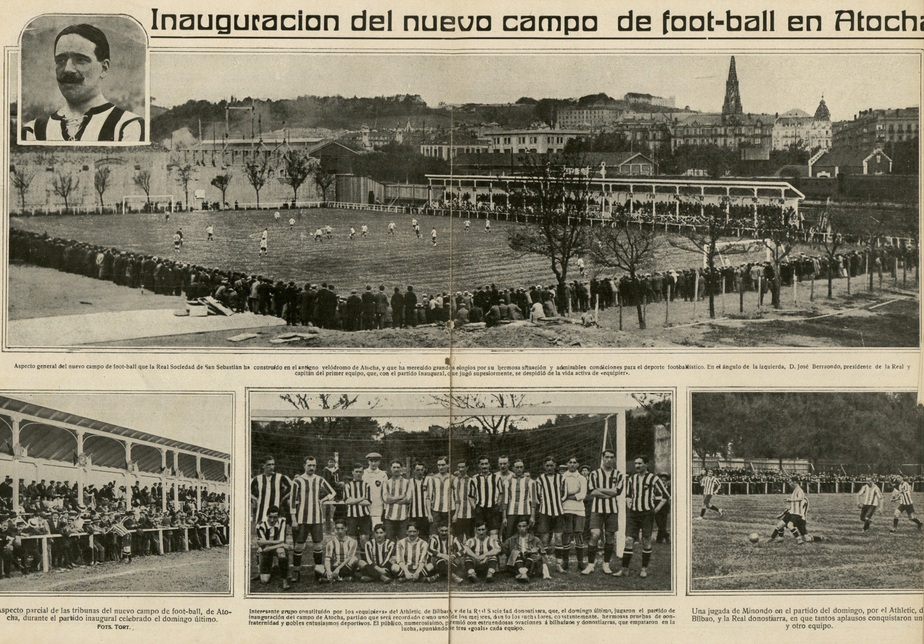
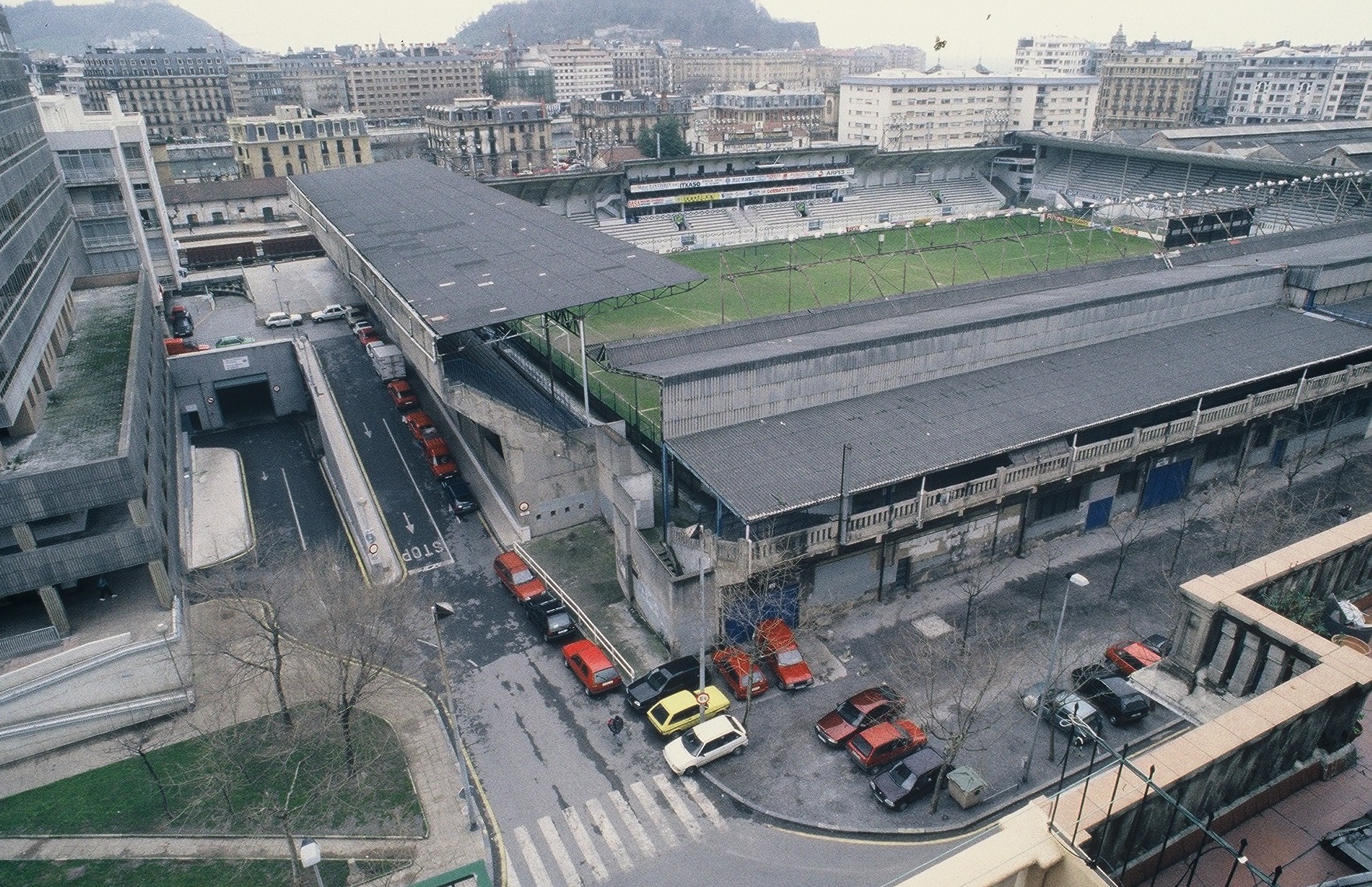
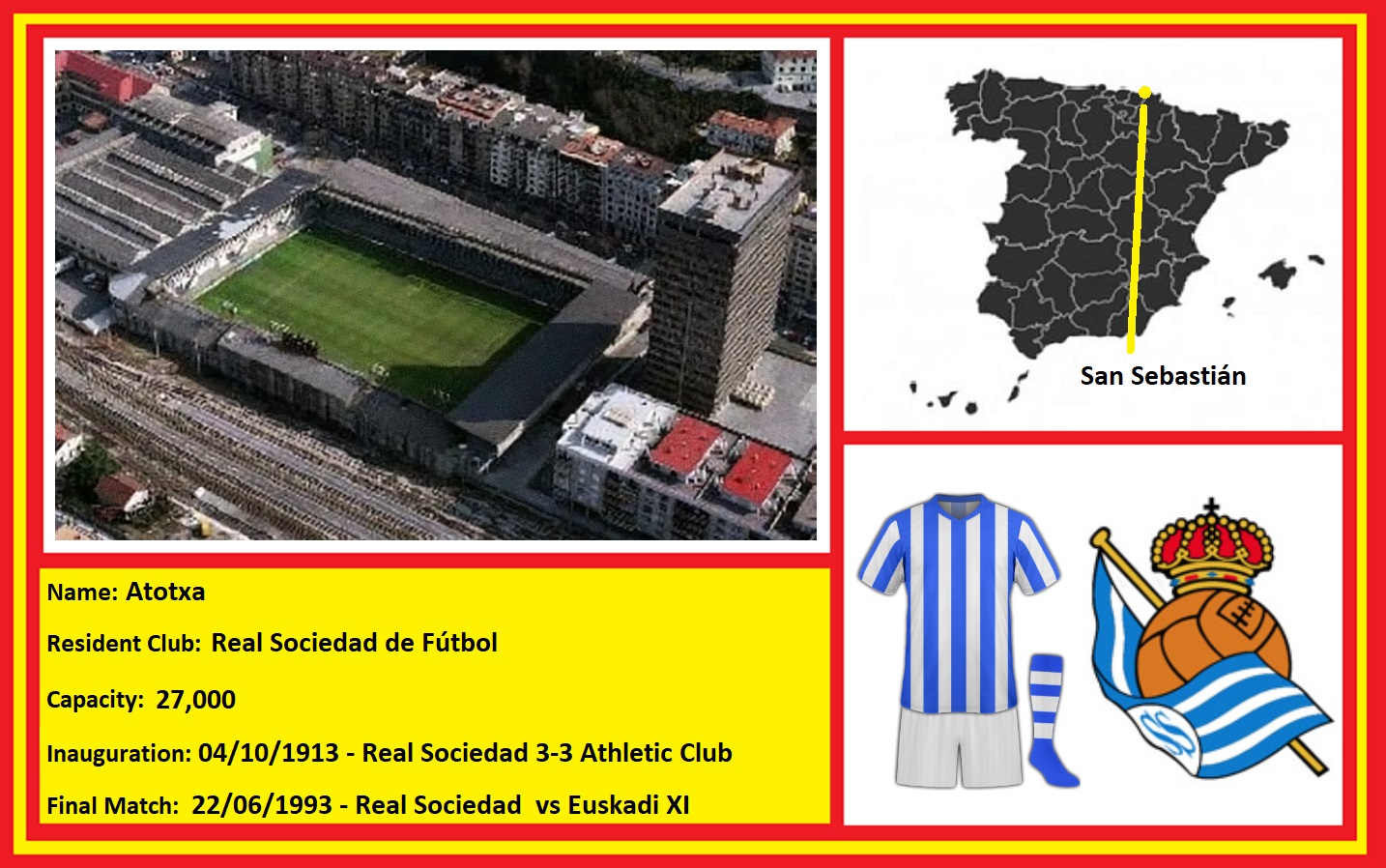
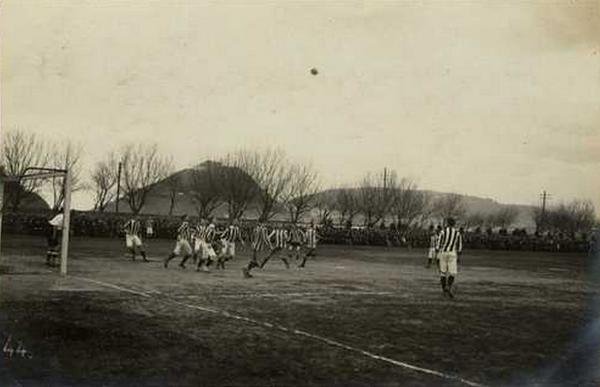
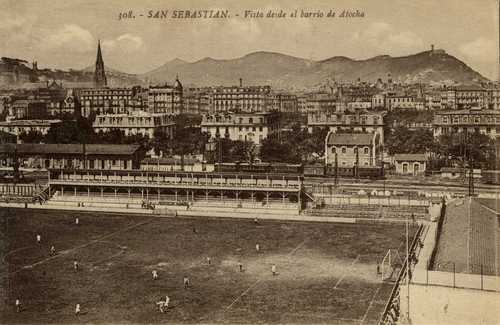
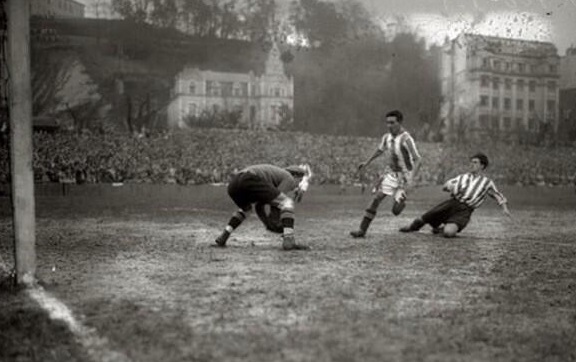
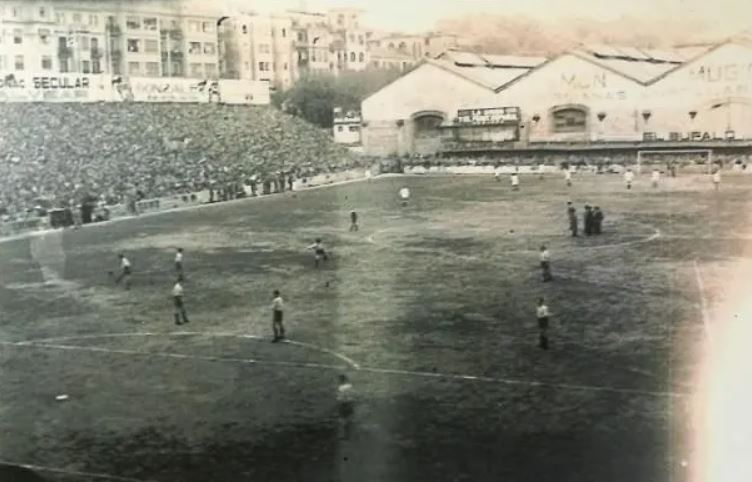
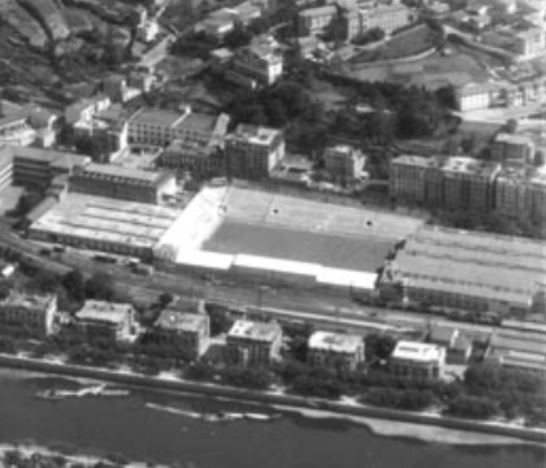
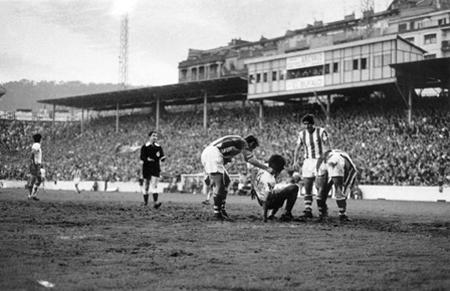
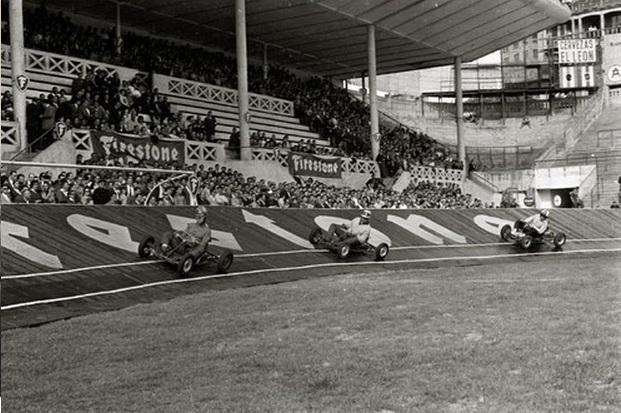
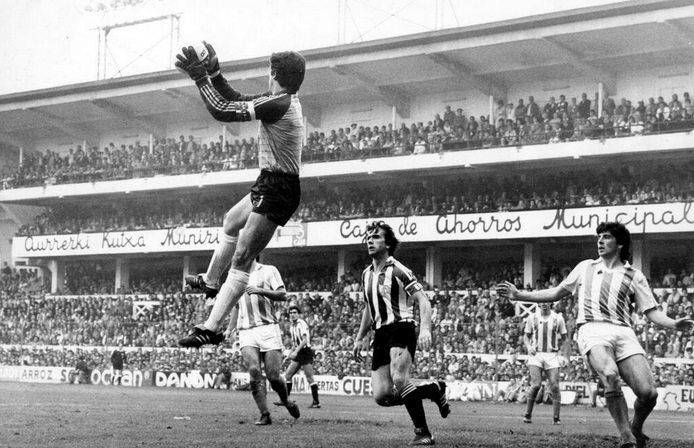
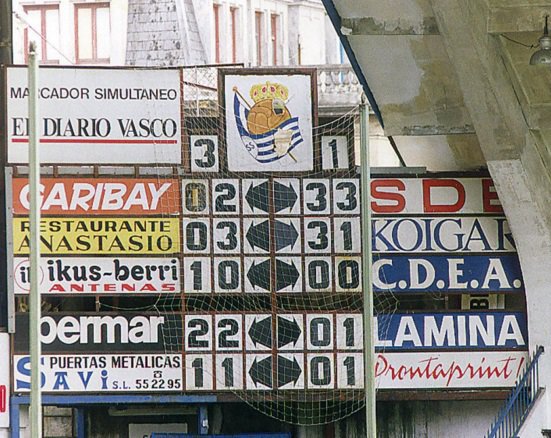
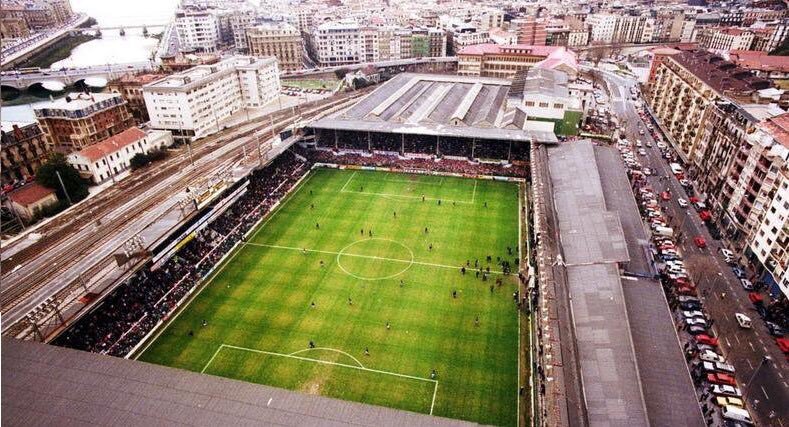
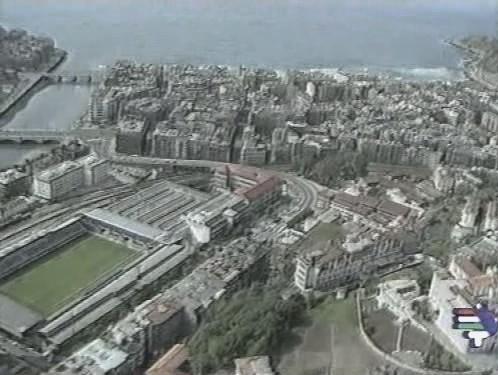
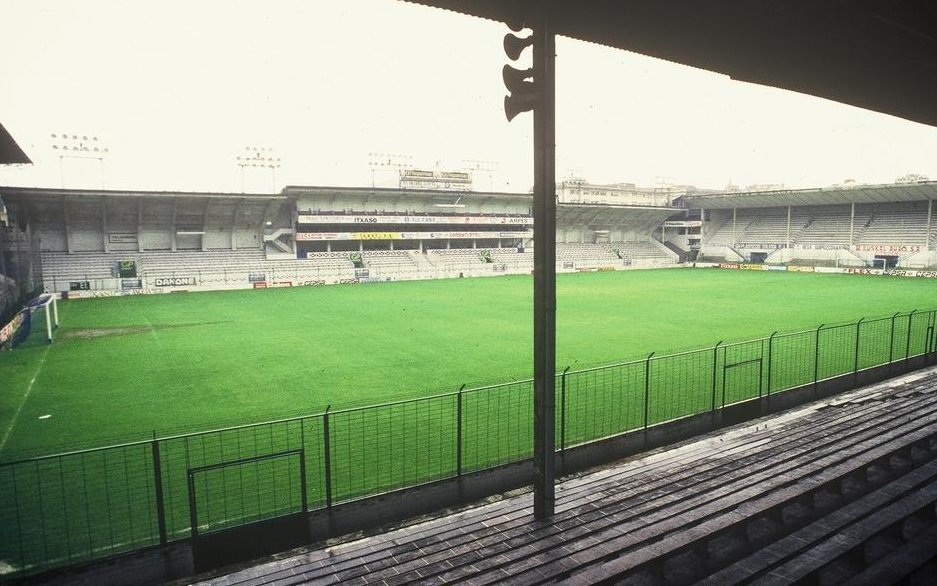
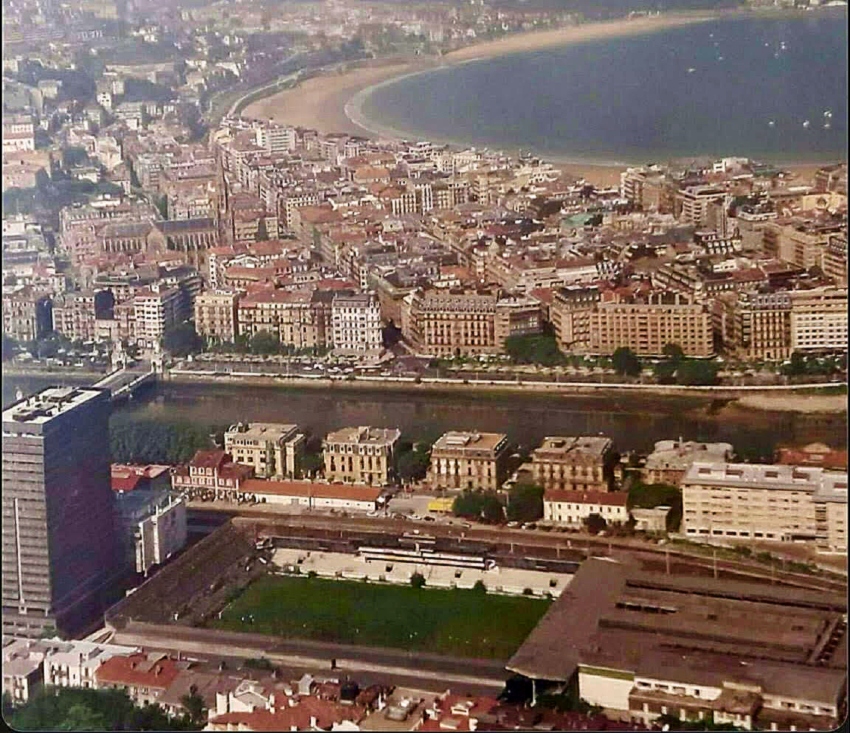
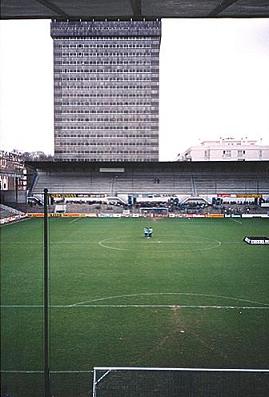
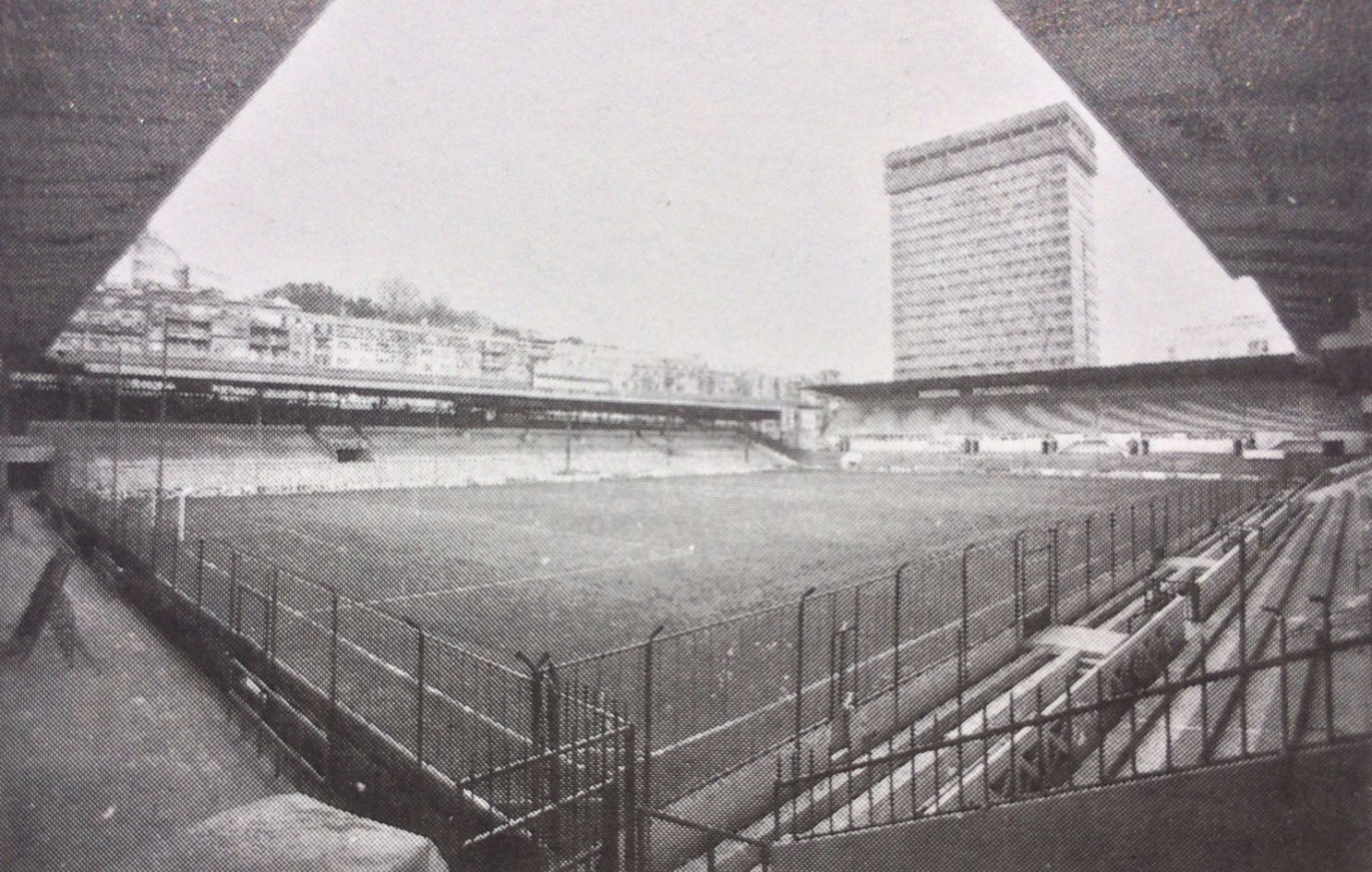
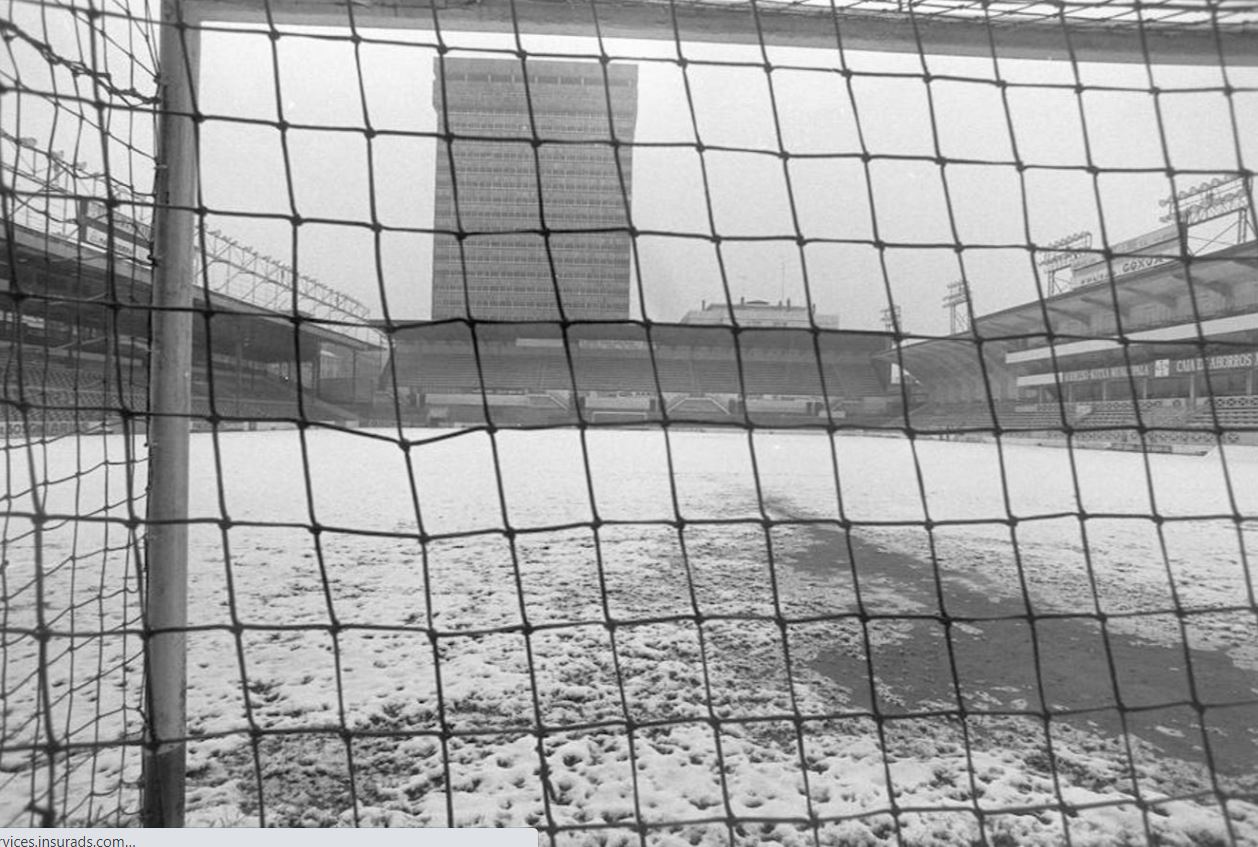
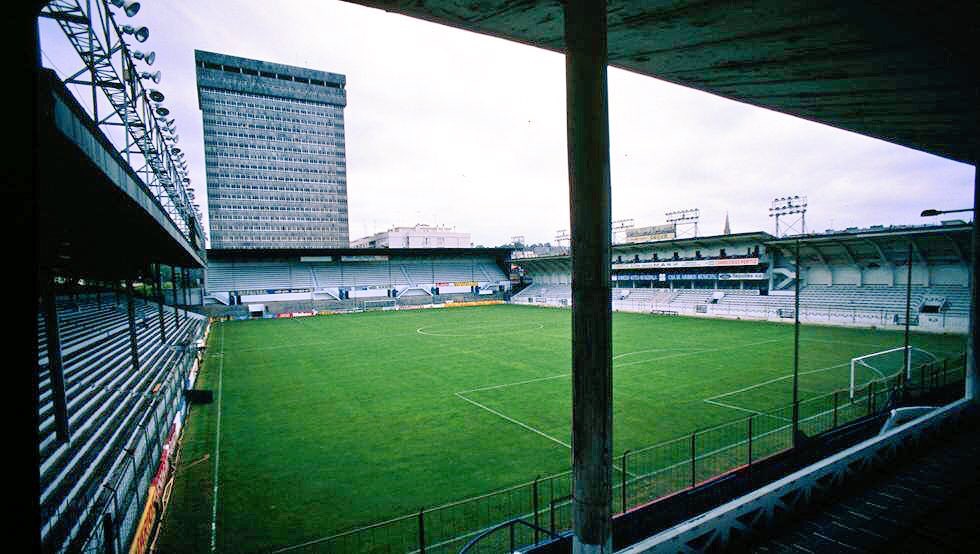
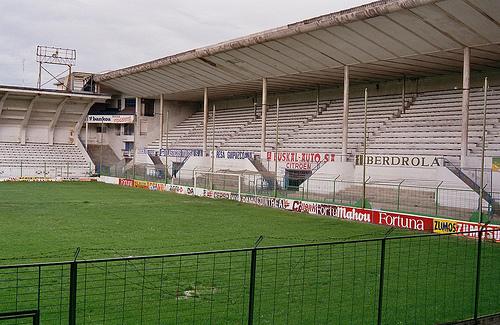
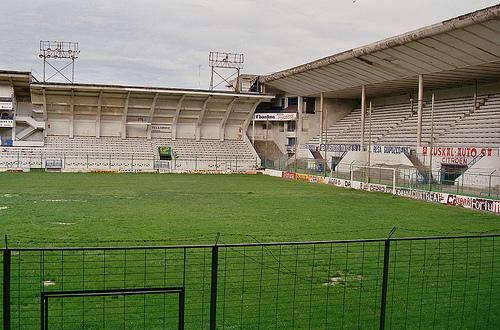
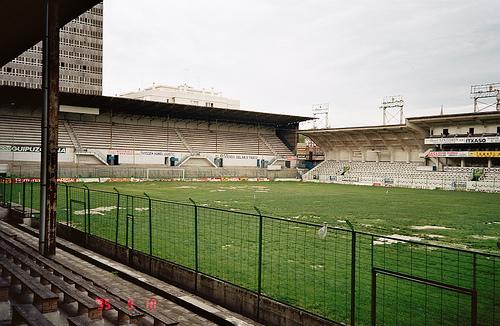
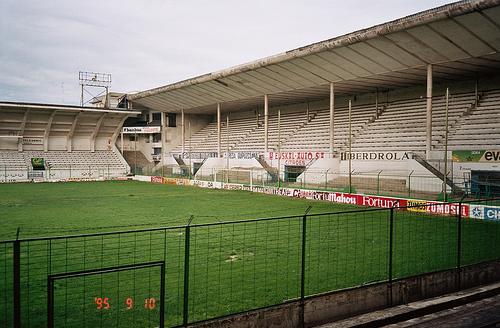
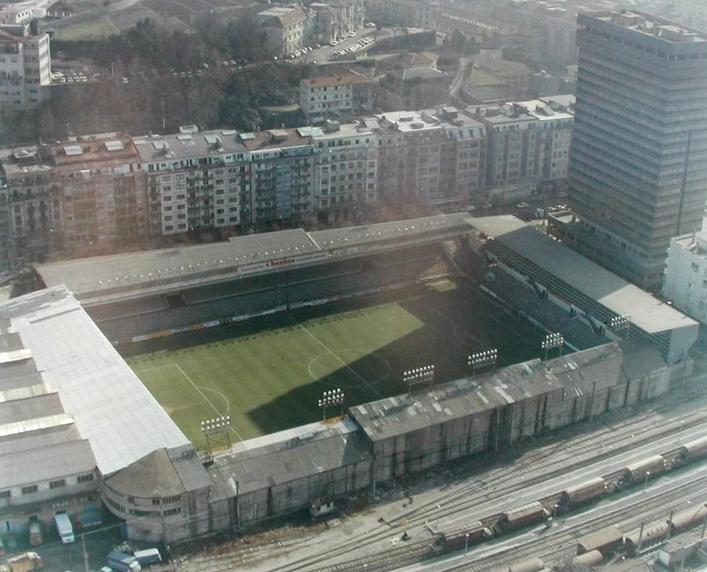
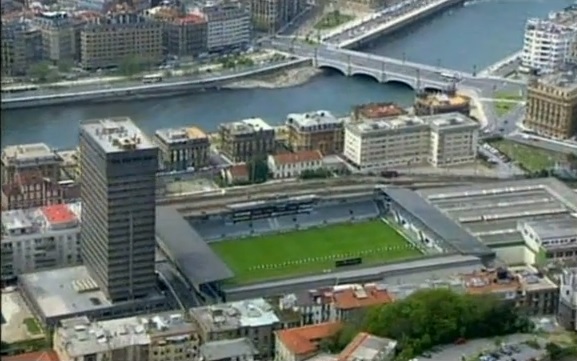
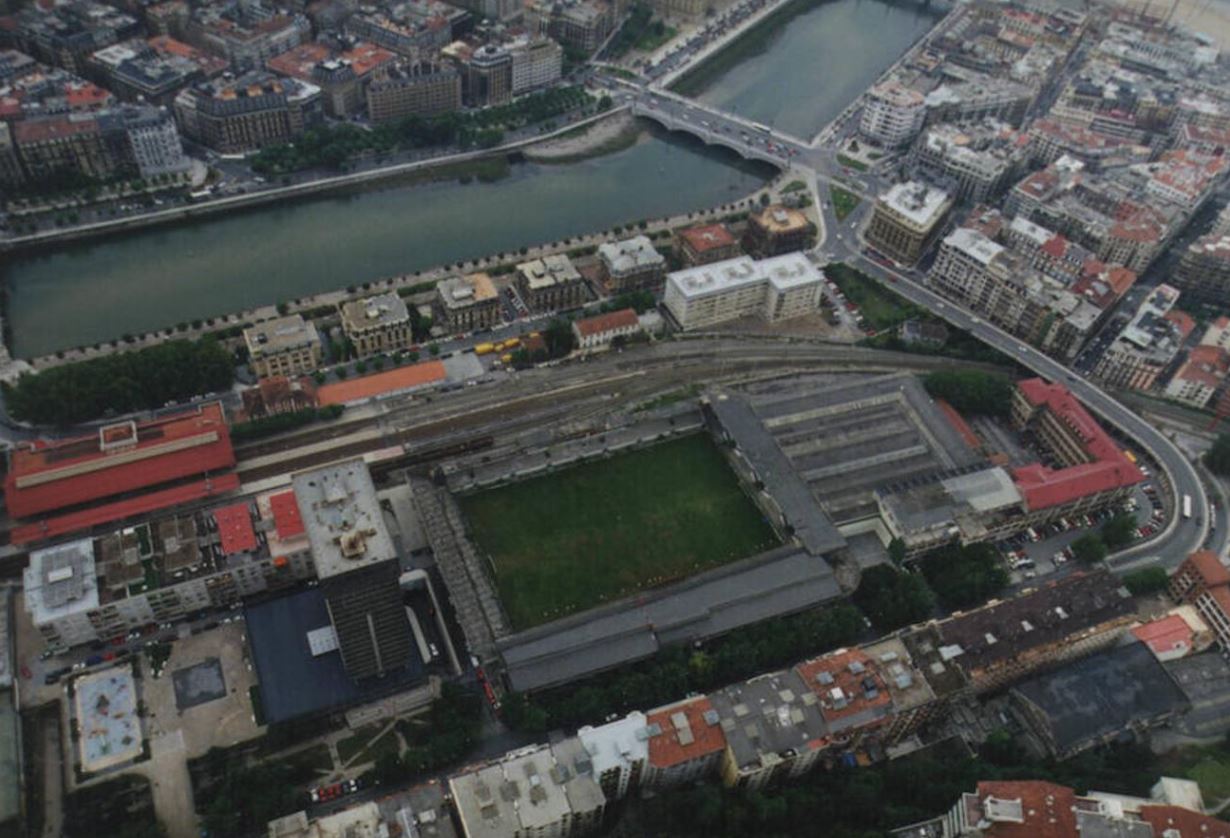
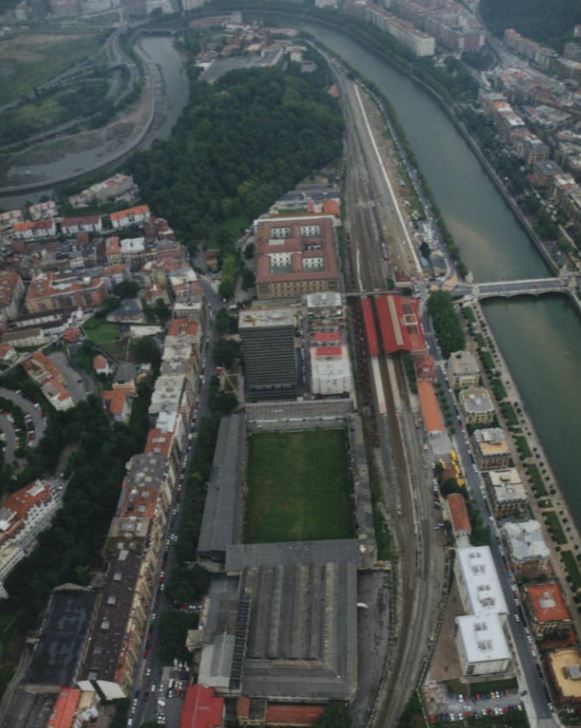
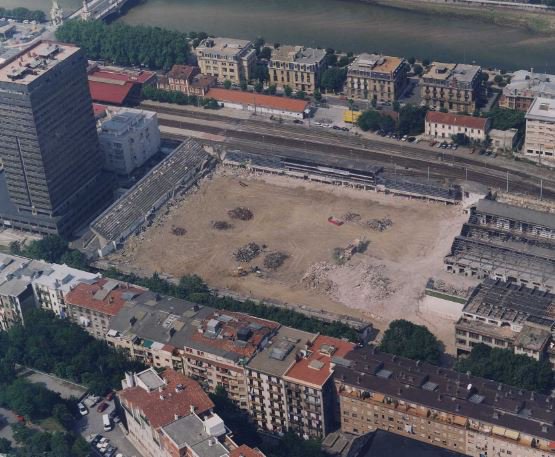
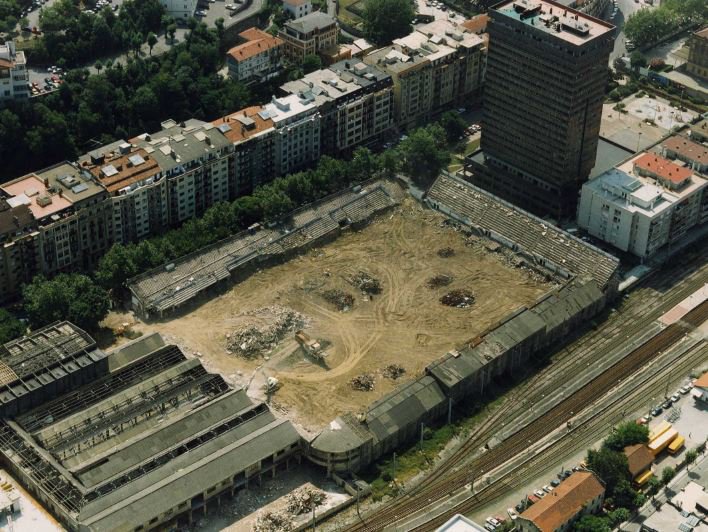
Atotxa was cramped, crumbling and hopelessly inadequate. It was also atmospheric, intimidating and above all, it was home. Wedged between the main railway line, the fruit market and a 20-storey office block, it was lovable, but ultimately doomed. It was built on the site of the city’s old velodrome and opened on 4 October 1913, with a match against perennial rivals Athletic Club de Bilbao. The match ended 3-3, with Athletic’s Pichichi scoring the first goal, repeating the feat he achieved two months earlier at Athletic’s San Mamés. Atotxa saw its only international match on 28 January 1923, when France made the short journey over the border to play Spain, and politely rolled over 3-0. On 4 May of the following year, it hosted the Cup Final. Fittingly, fellow Basques Real Unión prevailed with a 1-0 victory over Real Madrid.
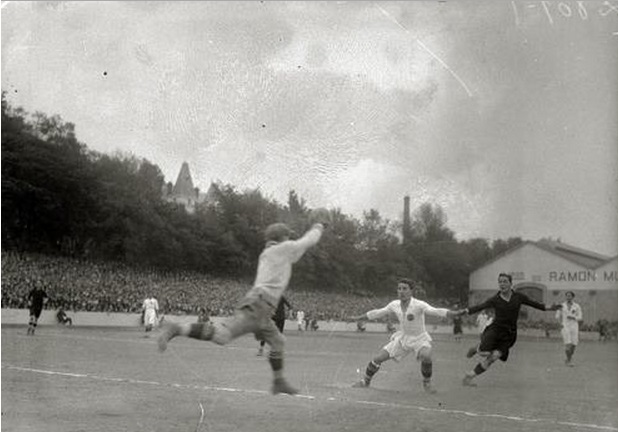
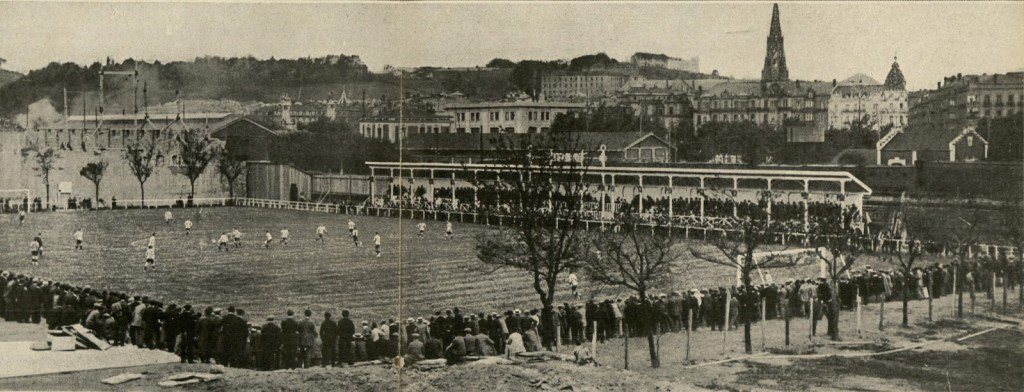
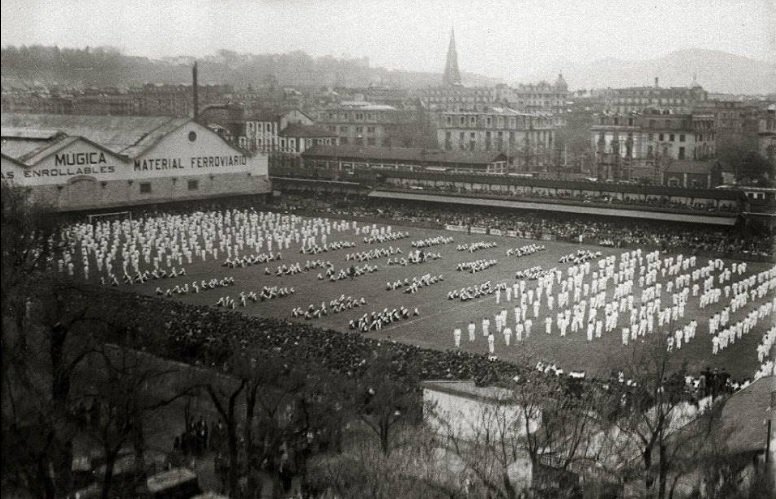
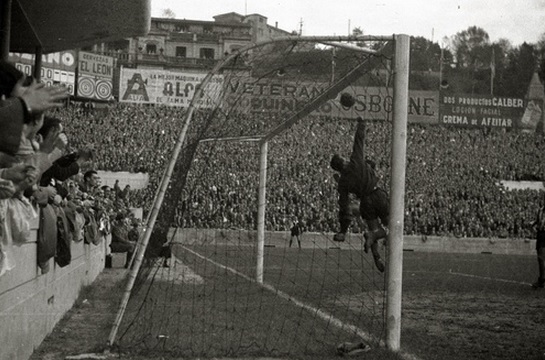
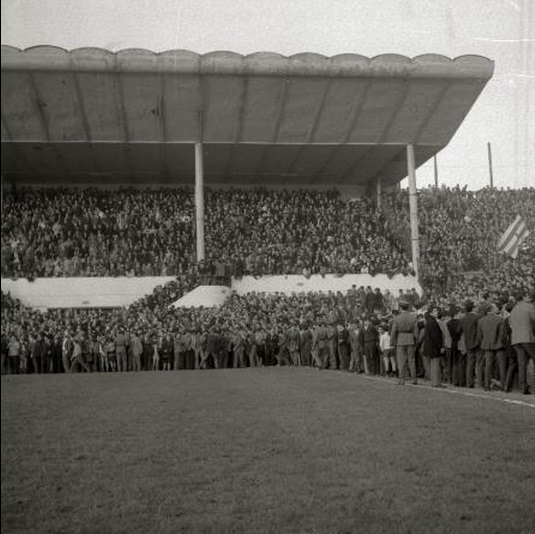
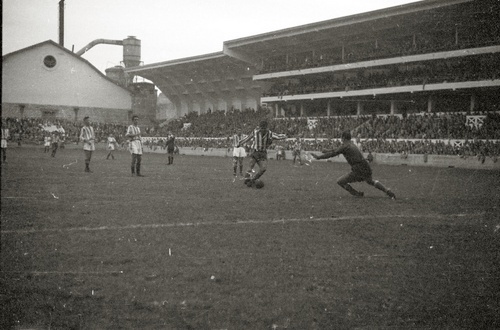
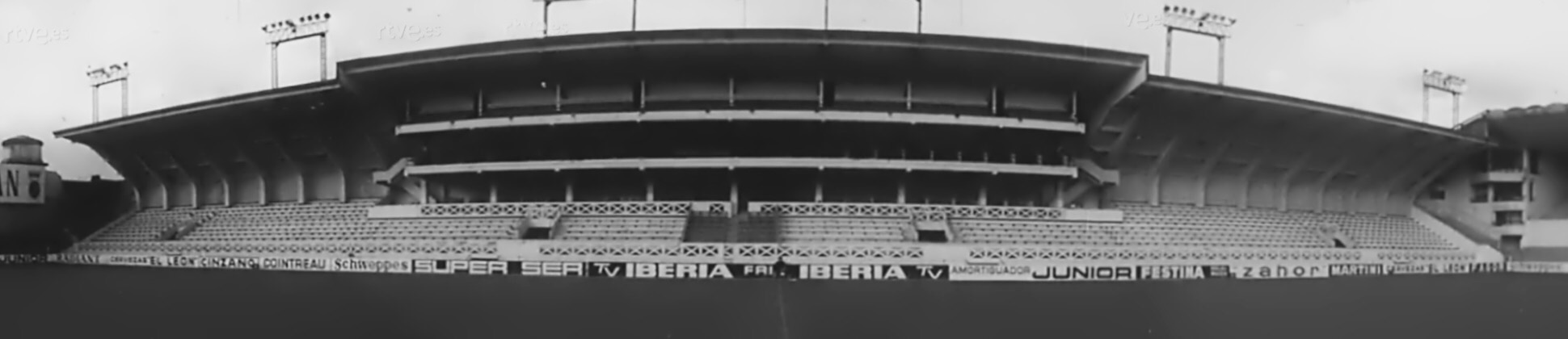
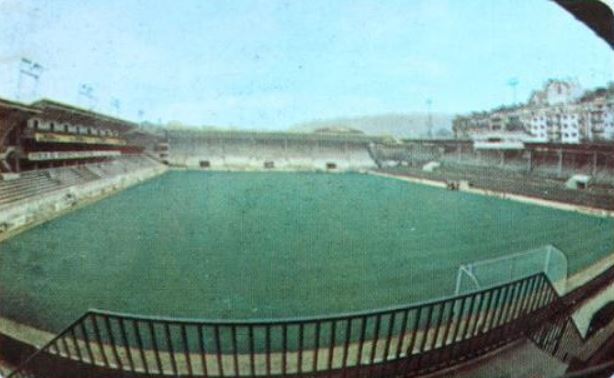
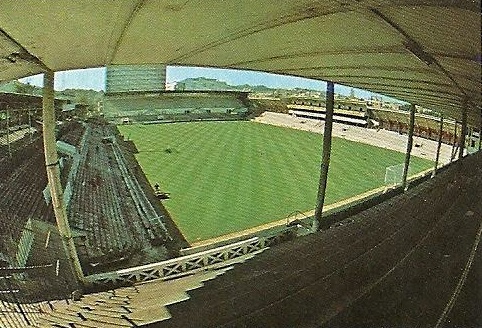
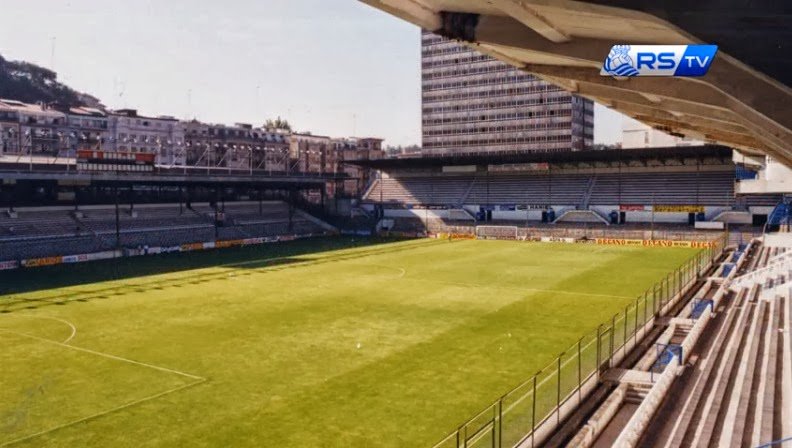
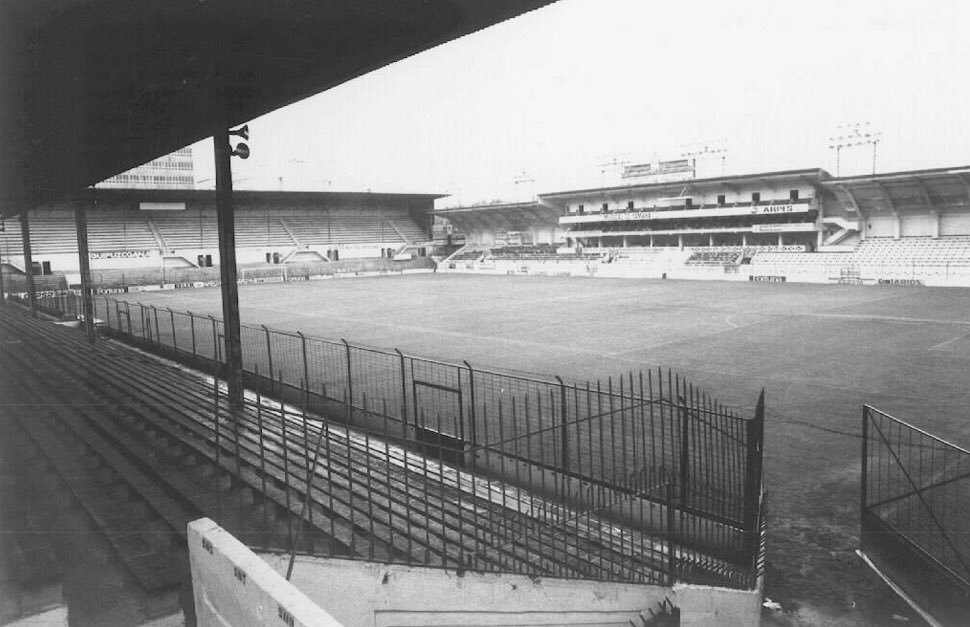
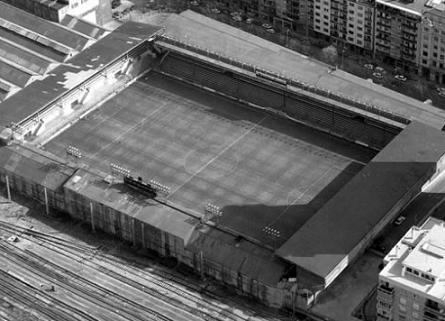
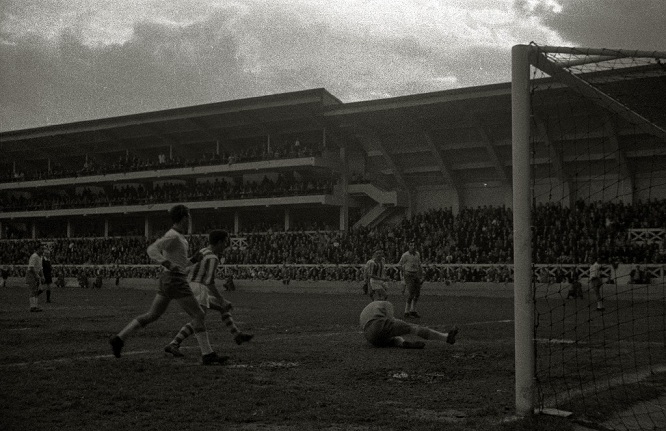
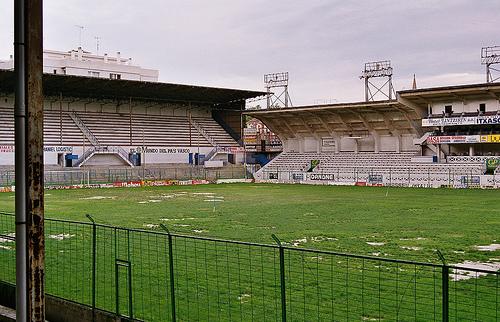
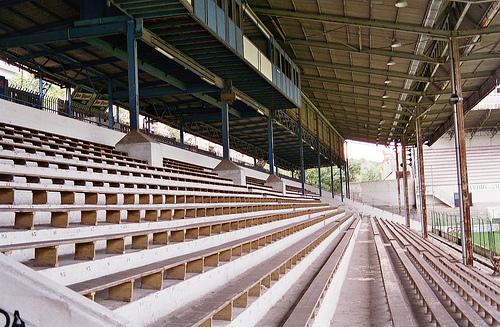
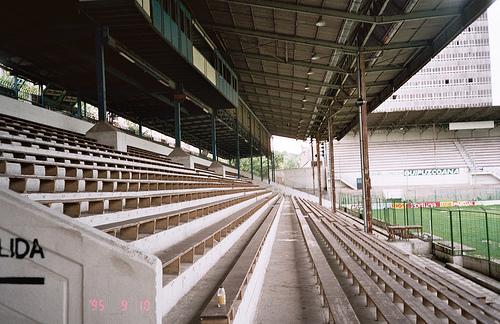
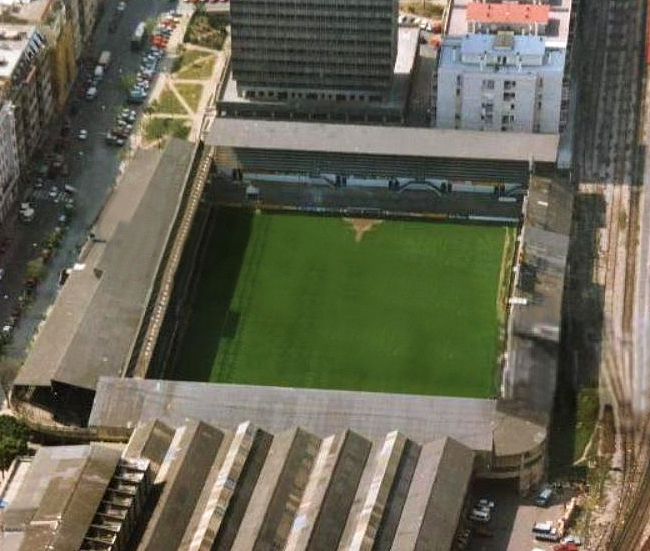
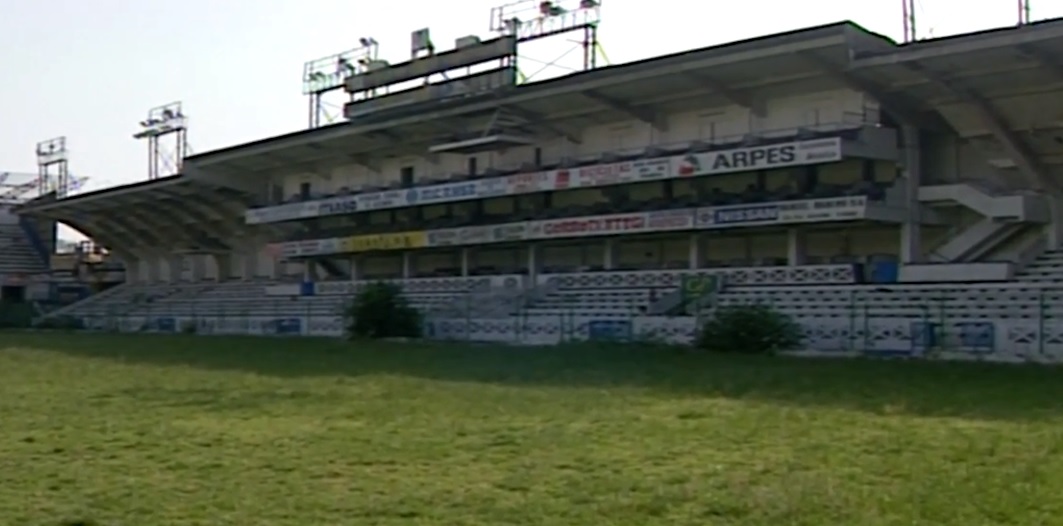
In its early days, Atotxa featured a very ornate main stand. Unusually for a wooden construction of this era, it was twin-decked and ran the length of the pitch. Opposite the main stand stood a large open bank of terracing, whilst either end of the ground featured thin strips of bleachers. It then began to develop in a rather piecemeal fashion as terraces were extended and thin, assorted covers were added. After the club won promotion to La Primera in 1949, the main stand was replaced with a curious structure that had a central section of three narrow tiers of seats, including the Presidential Box. Either side of this central portion stood larger banks of seats under a curved cantilevered roof.
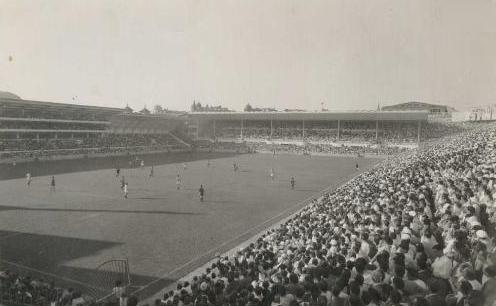
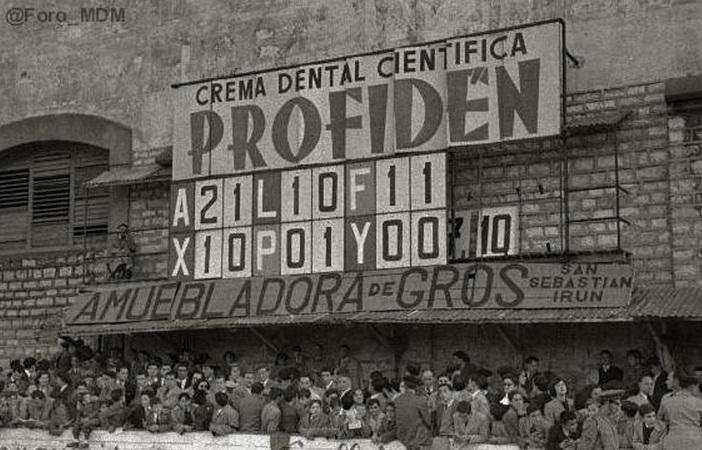
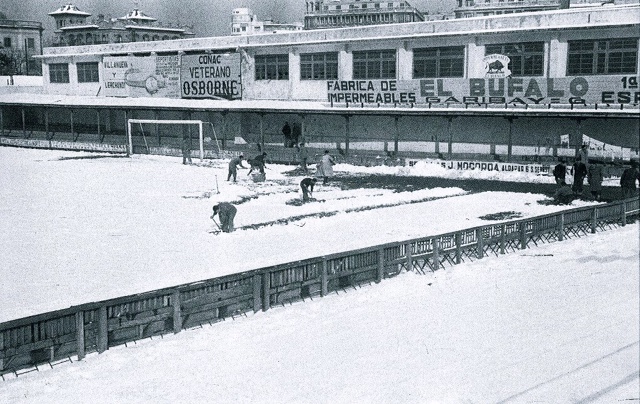
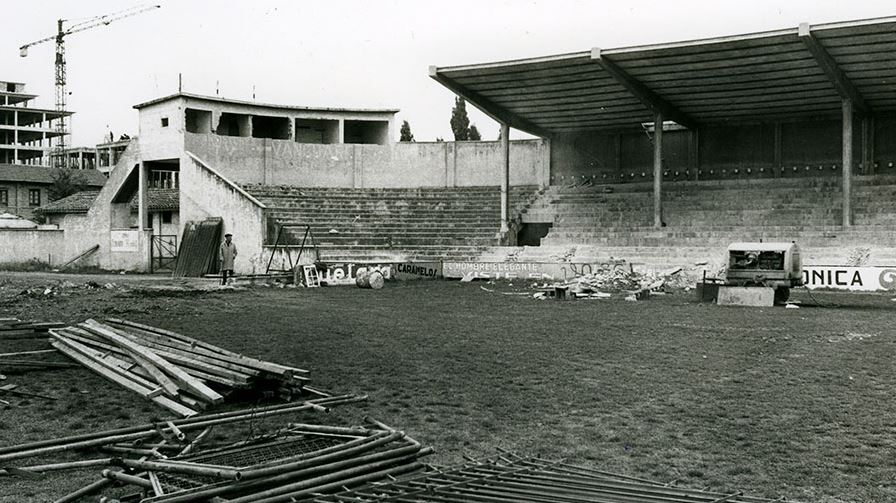
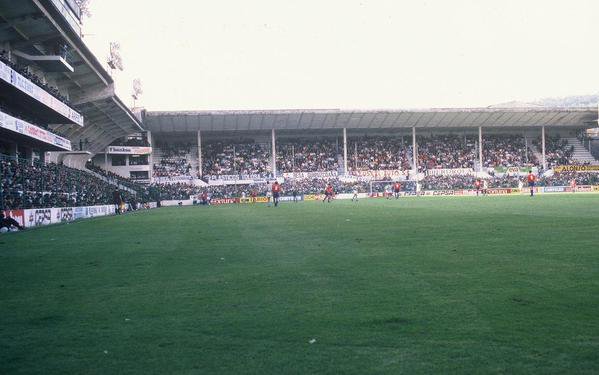
In the late 1950s, the municipality acquired land at either end of the ground and built two almost identical stands that featured narrow terraces up tight to the touchline and covered seating behind. The north end became known as La Portería de Frutas, due to the close proximity of the fruit market, whilst the southern end was known as el Fondo de Mujika, after the furniture factory that had previously stood at that end. Finally, the open eastern bank, which had featured a rickety assortment of roofs at the back of the terrace, got a more substantial cover in the 1970s, with bench seating added at the rear and sides.
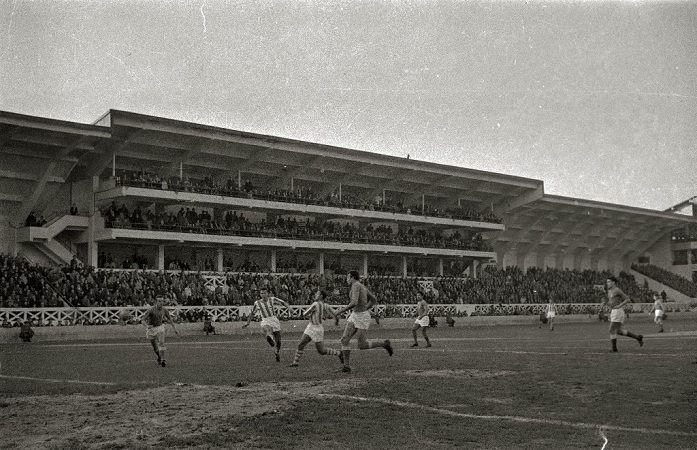
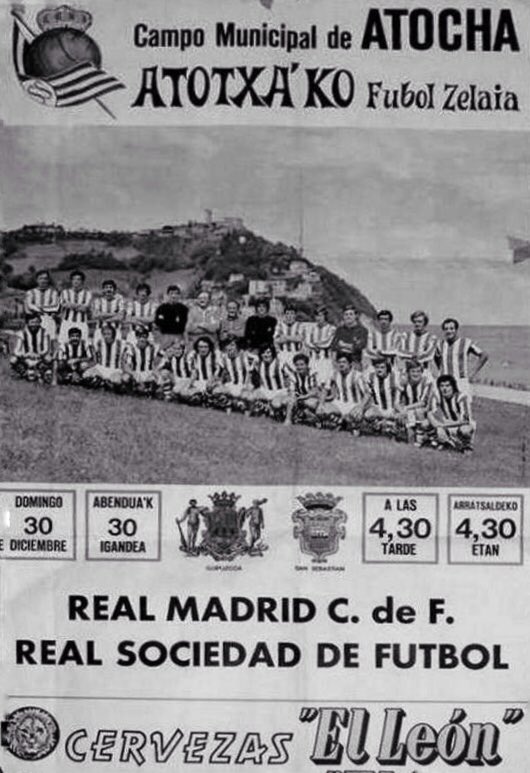
During the 1940s, Real Sociedad was a typical yo-yo club, flitting between La Primera and La Segunda on no less than seven occasions. During the 1950s, the club established itself in the top flight, but the fifth-place finish achieved at the end of the 1950-51 season was its best finish. The club was relegated to La Segunda in the mid-sixties and spent five seasons trying to regain its place in the top tier. They returned in 1967 with added vigour and finished in the top ten throughout the seventies. The 1979-80 season saw La Real go undefeated for the first 32 matchdays, a competition record. However, they lost 1-2 to Sevilla on the penultimate matchday and conceded the lead to Real Madrid. Both teams won on the final day of the season, but Real Madrid claimed the title by just one point.
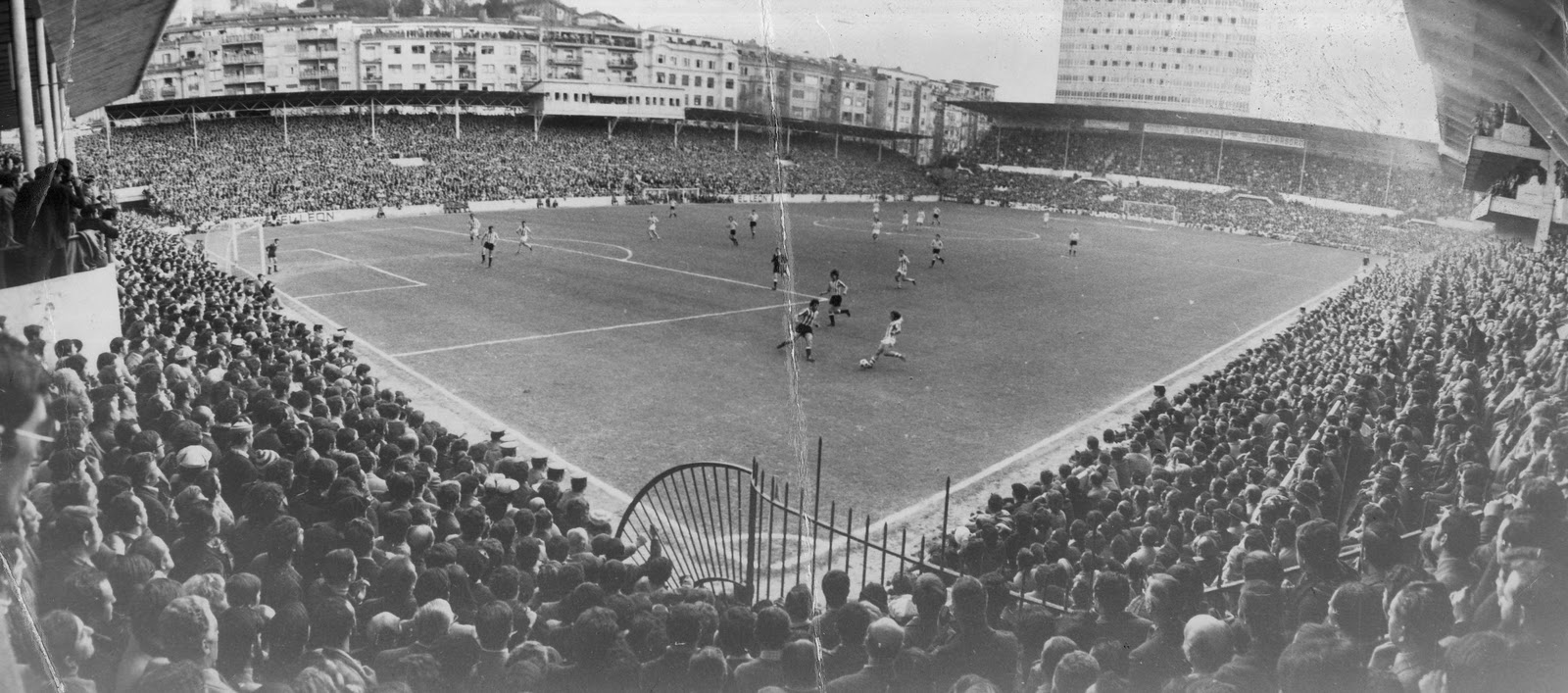
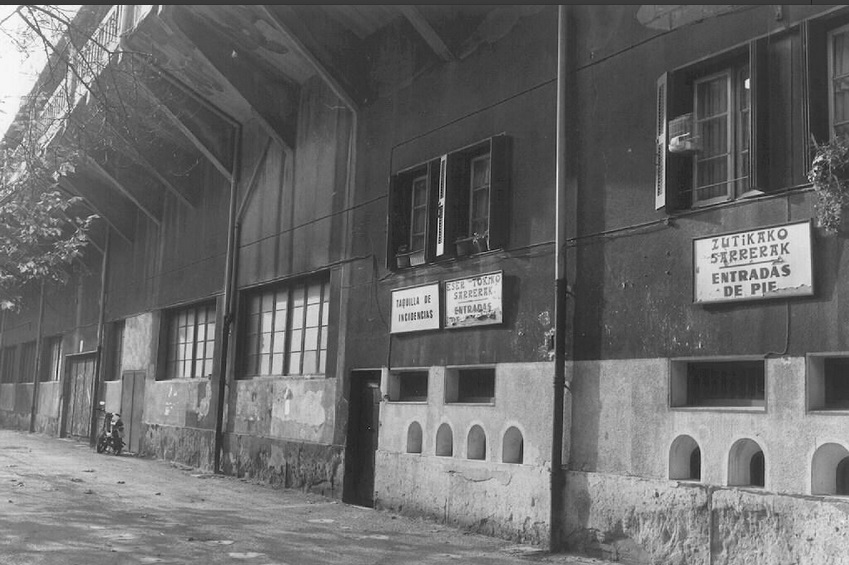
As years passed, however, Atotxa lagged far behind the stadium developments found elsewhere in Spain, and by the time of the 1982 World Cup, it was understandably overlooked as a host. Simon Inglis, in his book The Football Grounds of Europe, was well aware of Atotxa’s inadequacies, but loved it all the same. He described the stadium thus… “Holding 27,400, the ground is an intimidating hothouse for visitors, covered on all four sides (each with a different style of roof) and barely a metre between its touchlines and perimeter fence. The white north stand roof, apparently concrete, is actually lath and plaster, and the general facilities are basic, to say the least.”
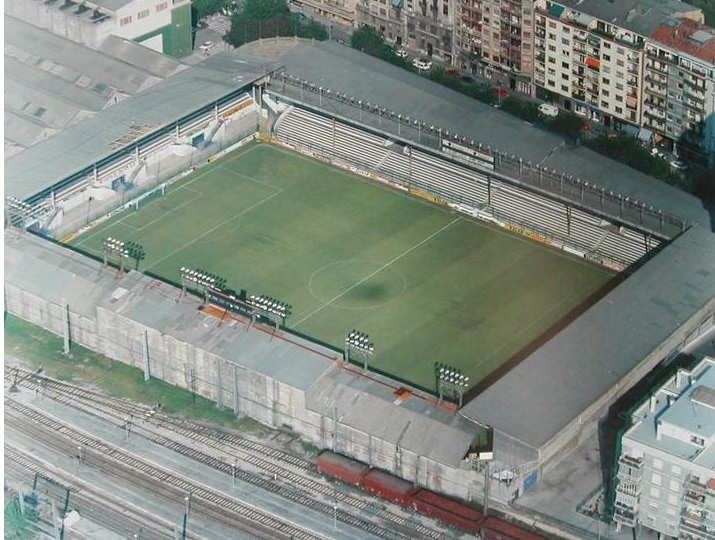
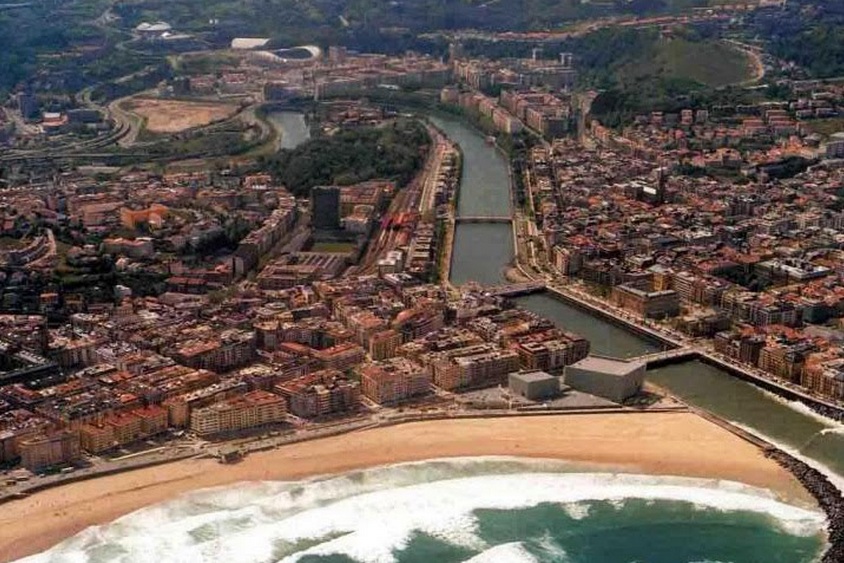
But La Real’s fans didn’t care, particularly when the team won back-to-back titles in 1981 and 1982, followed by a Copa del Rey win in 1987. The title win in 1981 was won in dramatic circumstances, with practically the last kick of the season, when Jesús María Zamora scored from the edge of the penalty area to secure a point against Sporting Gijón at a rain-drenched Estadio El Molinón. This success, however, would prove to be Atotxa’s undoing. With no space to develop and better facilities for players, officials and fans a must, Real Sociedad played their final match at the stadium on 22 June 1993 (vs an Euskadi XI), before moving to the south of the city and Anoeta. The stadium lingered on for a few more years before being finally demolished in 1999. The site is now occupied by housing, and the new Palacio de Justicia stands on the site of the old fruit market.
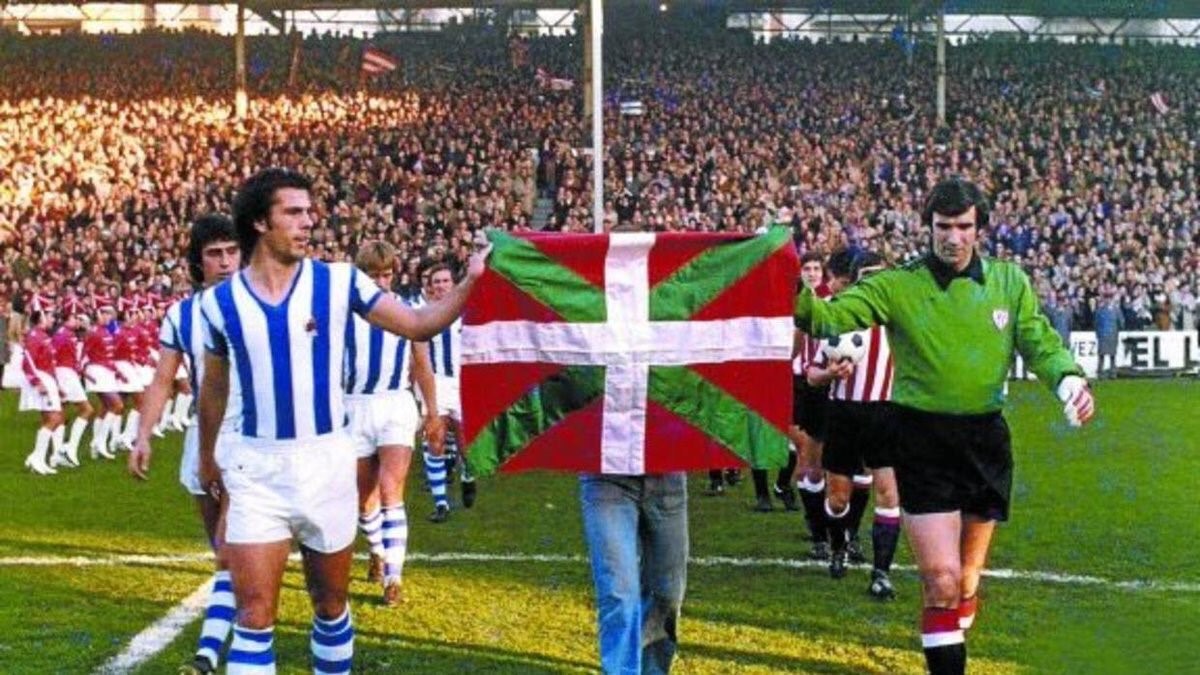
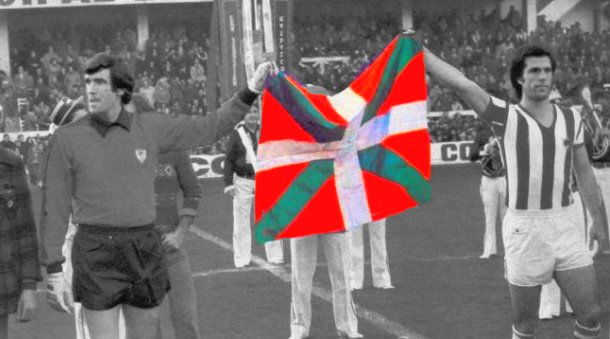
Atotxa was also the scene of one of the most symbolic actions in Spanish football history. On 5 December 1976, Real Sociedad’s Inaxio Kortabarria and Athletic’s Jose Angel Iribar walked onto the pitch carrying the Ikurriña, the flag of the Basque nation. It was almost exactly a year on from General Franco’s funeral, and the years of oppression by his Nationalist regime were still a fresh and open wound in the Basque Country. The flag was still outlawed at the time, but this was a sign of unity and defiance on behalf of the Basque nation, and a symbol of the political change that was about to sweep across Spain.
 Estadios de España
1 thought on “San Sebastián – Atotxa”
Comments are closed.