Article updated: 26/10/2025
There is a heated debate over the date on which Sevilla FC was founded. The club and a growing number of historians directly link the current club to one that was formed on 25 January 1890. Others point to the formal registration of the club in 1905 as the true birth date of the Los Rojiblancos. Regardless of which date is accepted, one thing is certain: Andalusia was the birthplace of football in Spain, and Sevilla can be considered its cradle.
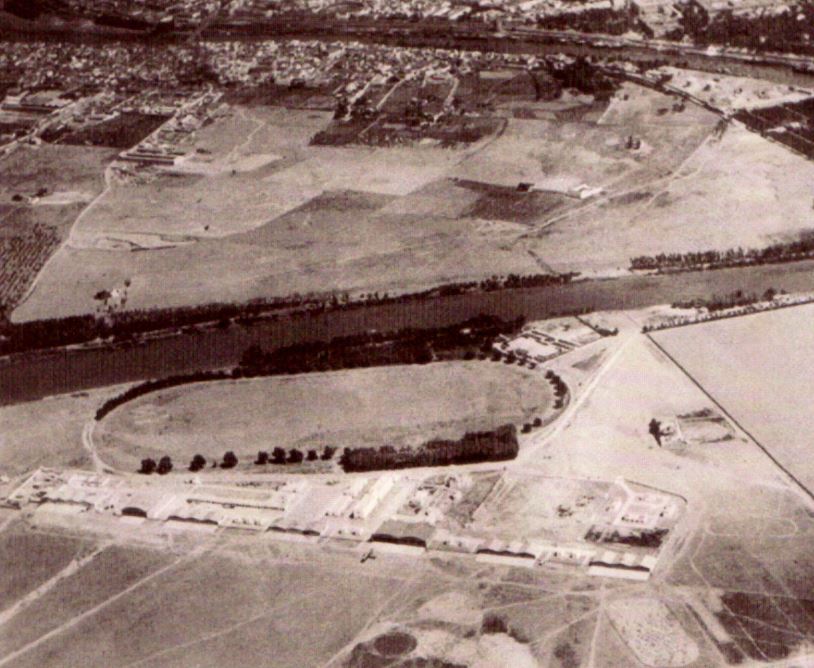
On 8 March 1890, workers from the Rio Tinto mining company and various shipping firms joined forces under the name of Huelva Club Recreación to play Sevilla Foot-ball Club at the Hipódromo de Tablada. It was the first recorded instance of two clubs playing each other on Spanish soil. Over the next 15 years, British companies and expatriots were at the forefront of matches played in and around the Andalucian capital, and gradually, the Spanish community became involved. Eventually, on 14 October 1905, Sevilla Foot-ball Club was formally registered and set up home at the Prado de San Sebastian. Activity was sporadic in those first few years, not helped by the fact that the club lacked a benefactor. However, Sevilla FC found a knight in shining armour in the shape of Josep María Miró Trepat, a wealthy Catalan hotel owner who just happened to be a co-founder of the Spanish Football Club in Barcelona. With Miró Trepat at the helm, the club quickly grew, even surviving a player exodus that would eventually join eternal rival Real Betis Balompié. By the middle of the following decade, Sevilla FC was not only the leading club in the city but had overtaken Recreativo Huelva as the region’s leading light.
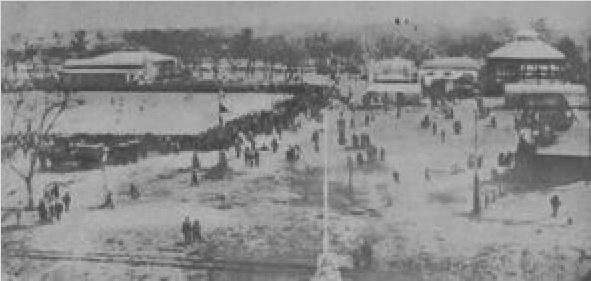
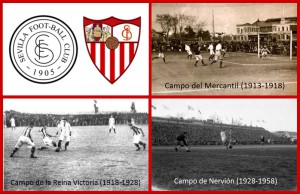
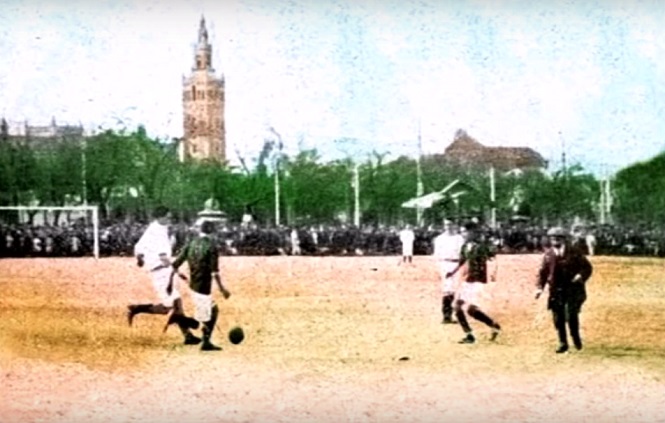
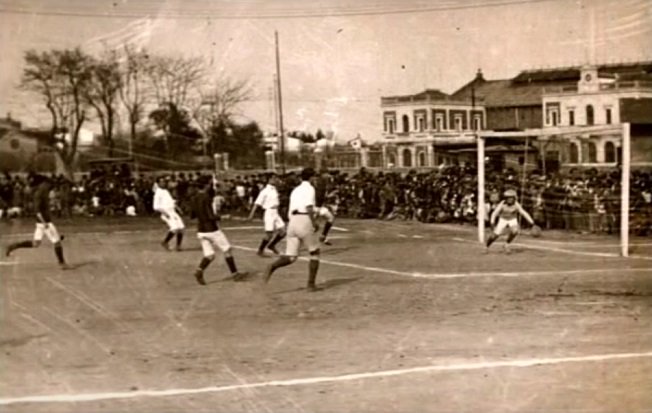
The Prado de San Sebastian, where the club’s first ground was situated, was little more than open land on the border of Parque Marie Luisa. The pitch was a simple roped-off affair and would often be in a different location within the Prado de San Sebastian from match to match. As the club grew in popularity, a more permanent facility was required, and thanks to Miró Trepat’s commercial contacts, funds were raised to build an enclosure within the Prado de San Sebastian. Named the Campo del Mercantil in recognition of the chief benefactors, it opened on 1 January 1913 and featured a permanent pitch surrounded by a wire & wooden fence. The ground did not have an external wall, so admission was free, although the club charged for the rent of seats and use of the only wooden terrace. The Campo de Mercantil also witnessed the arrival of the club’s first trophy, when the Andalucian Regional Championship was won in 1915. The enclosure was situated just to the north of the present-day Prado de San Sebastian, parallel to the Calle José Maria Osborne.
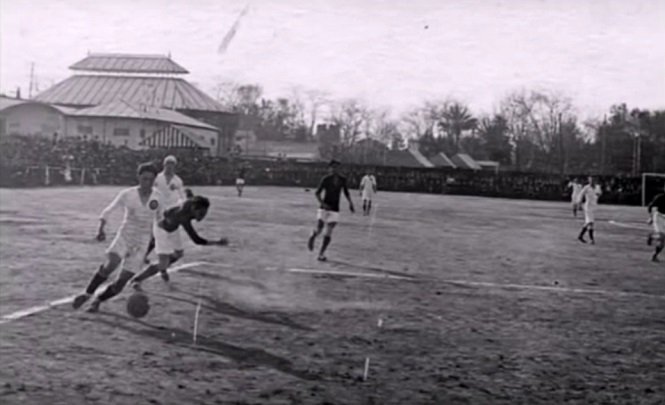
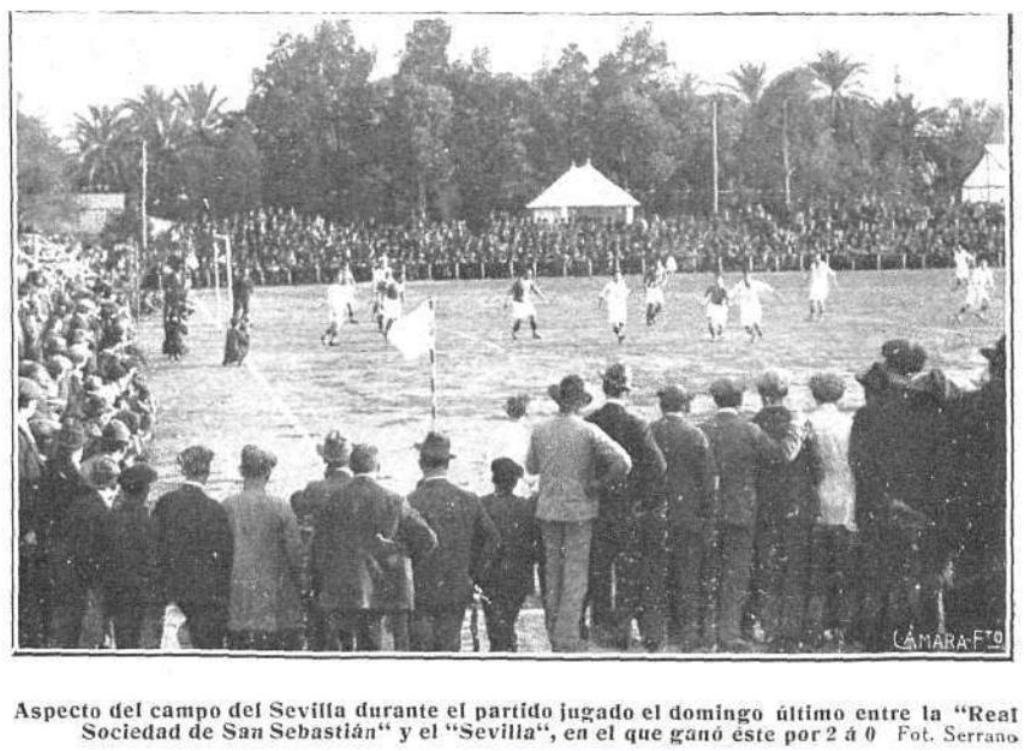
On 20 October 1918, Sevilla opened the Campo Reina Victoria with a match against Union Sporting de Madrid. It was built on land owned by the Marquesa de Esquivel, who was persuaded by her son, an avid follower of Sevilla, to allow the building of the enclosure and rent it to the club. As well as being the club’s first enclosed ground, it featured wooden bleachers and a short pavilion. On 16 December 1923, the ground hosted the Spanish national side’s first ever international in the south of the country, a 3-0 victory over Portugal. The venue also staged the final of the Copa del Rey when Barcelona beat Arenas Club 2-0 on 10 May 1925 in front of a crowd of 6,000. In 1928, construction work for the Ibero-Americana Exhibition forced Sevilla to move again, to a massive expanse of land in the Nervión district of the city. The site of the Campo Reina Victoria was on the modern-day Paseo de la Palmera, overlapping the Calle Chaves Rey.
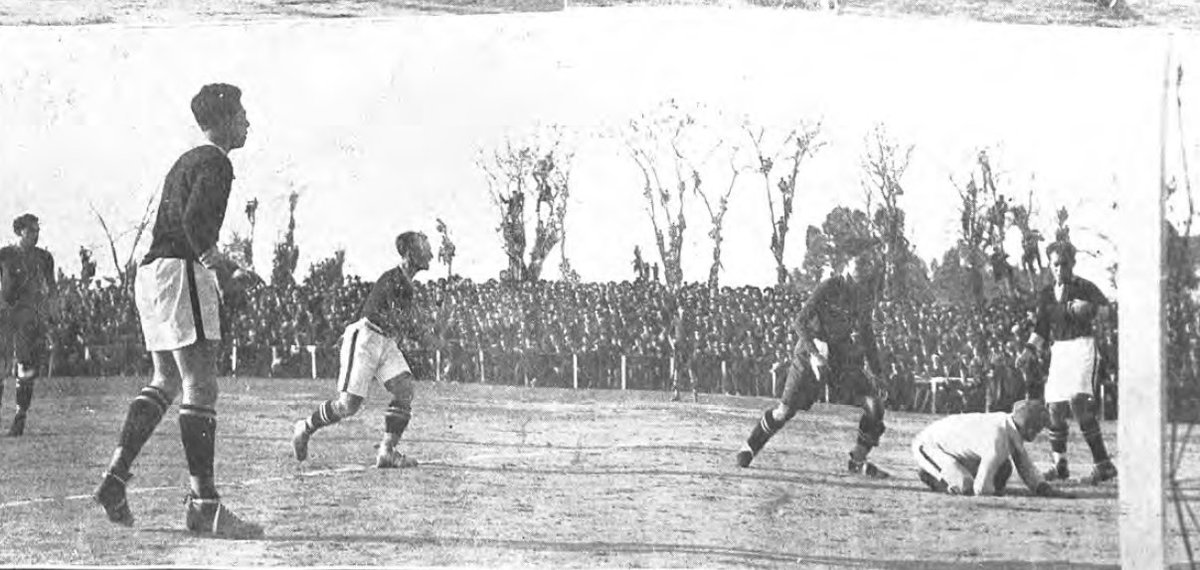
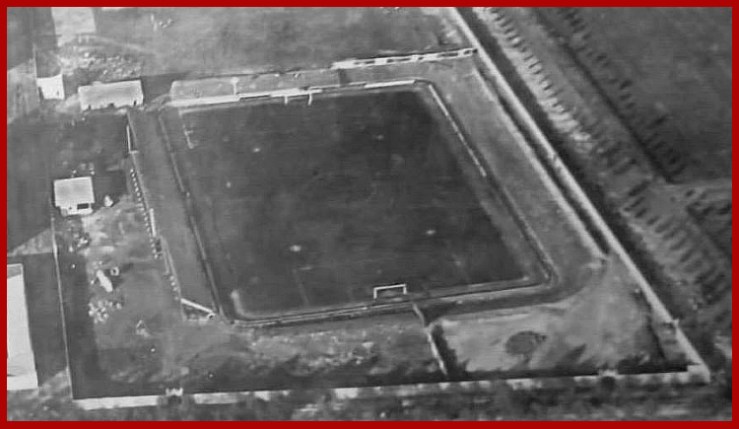
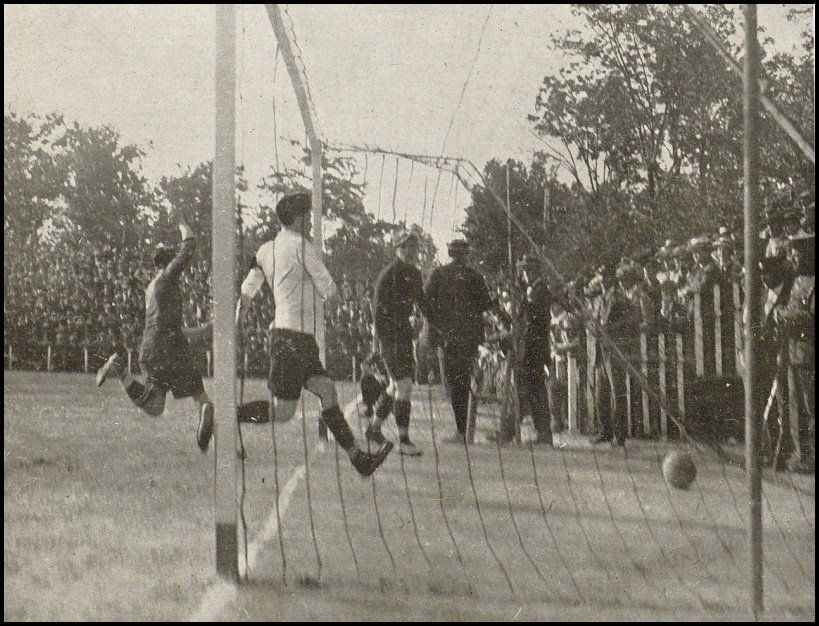
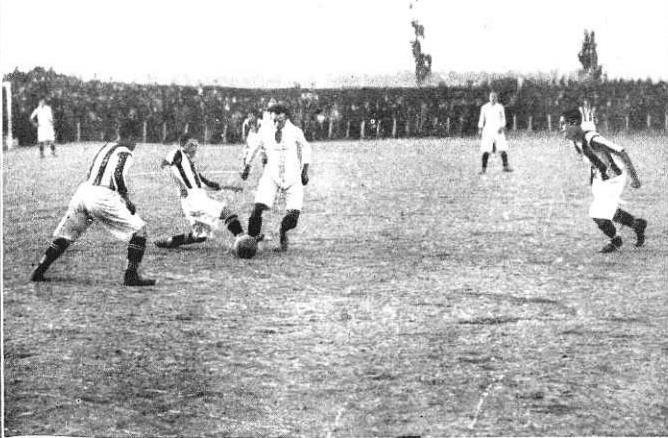
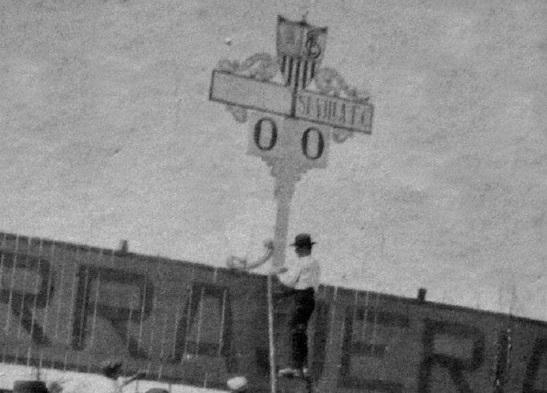
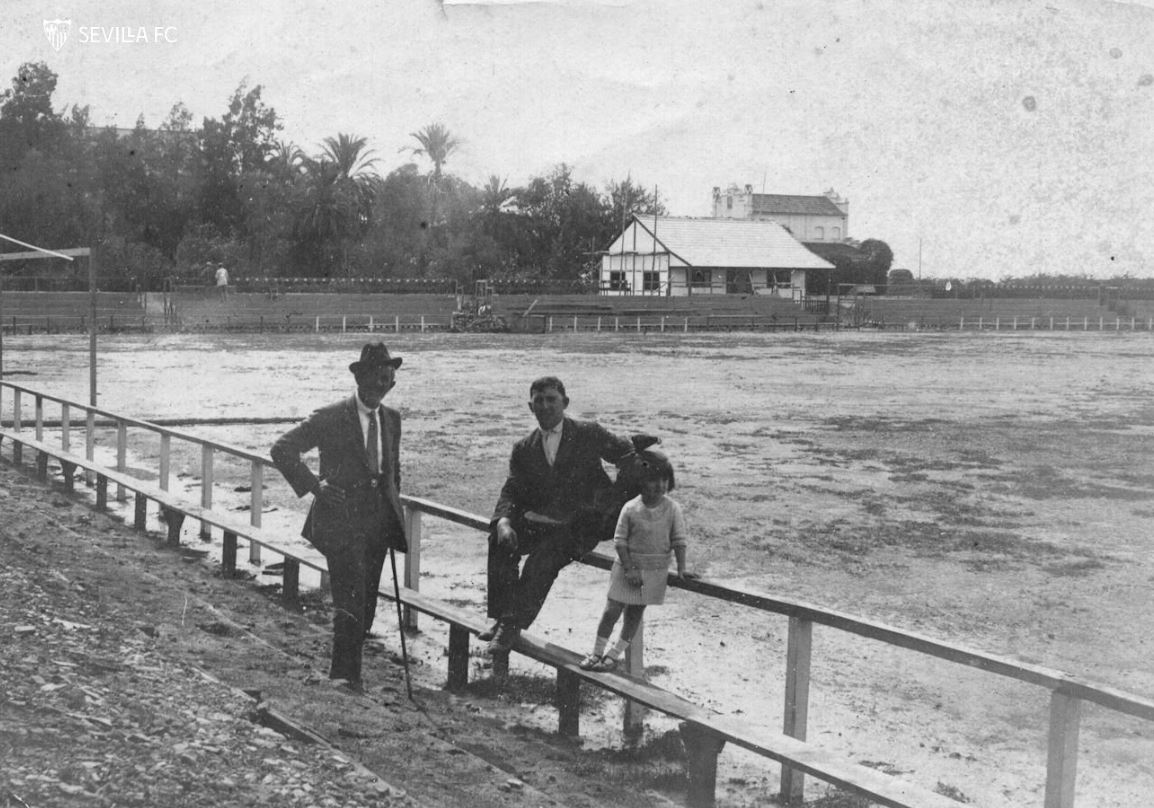
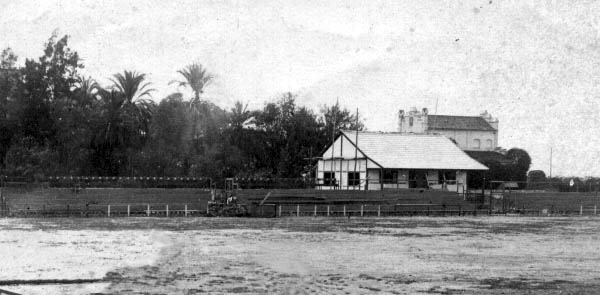
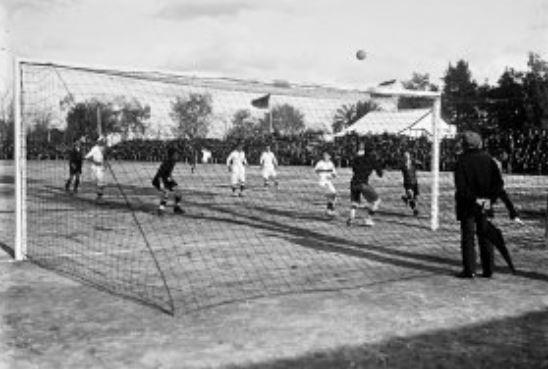
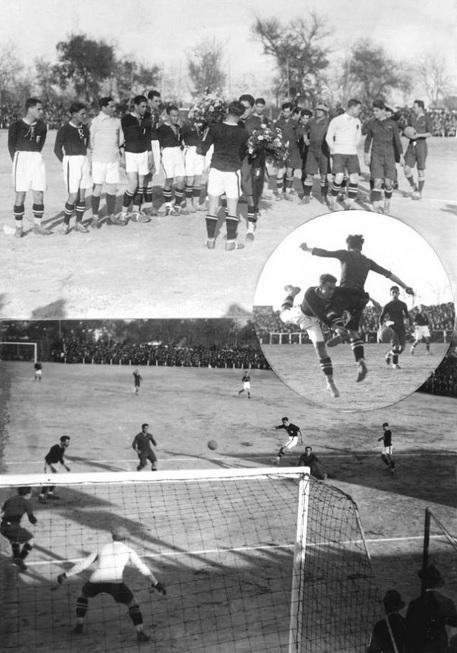
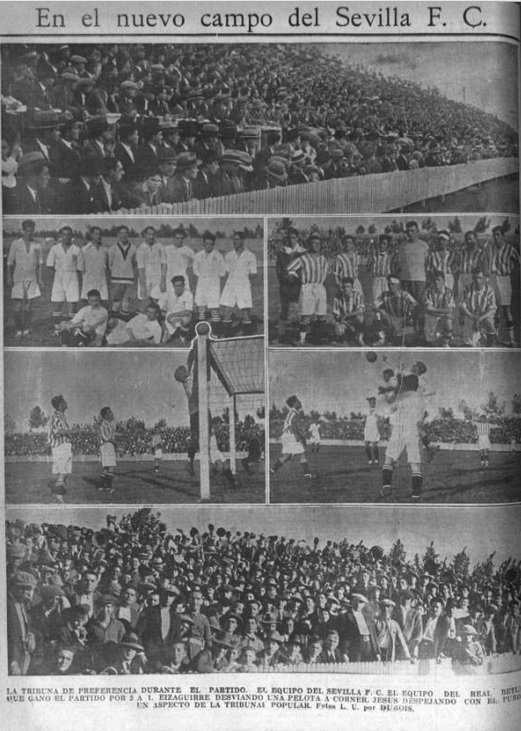
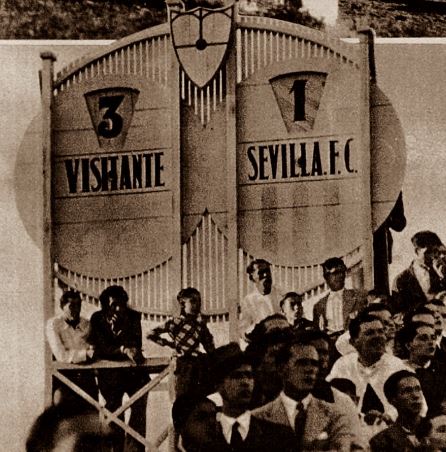
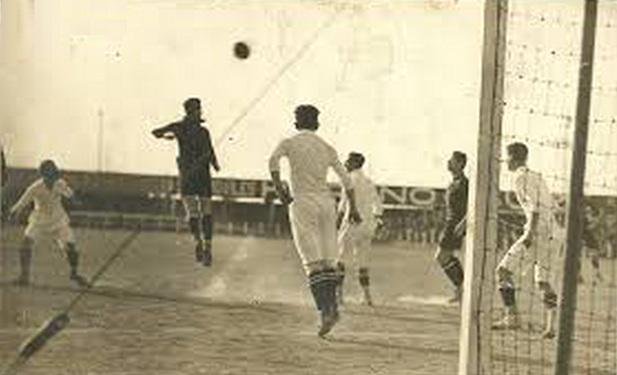
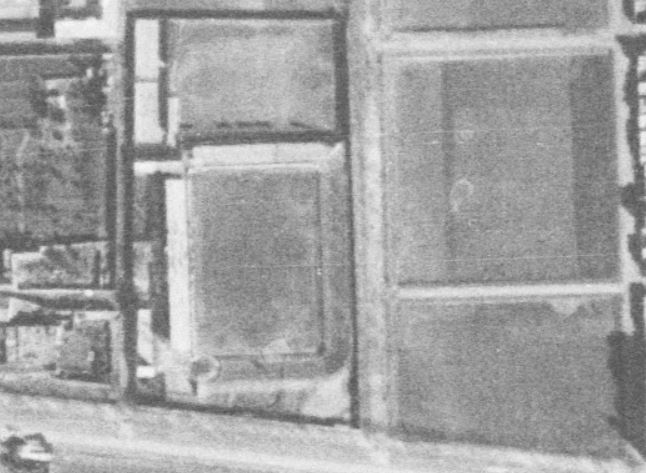
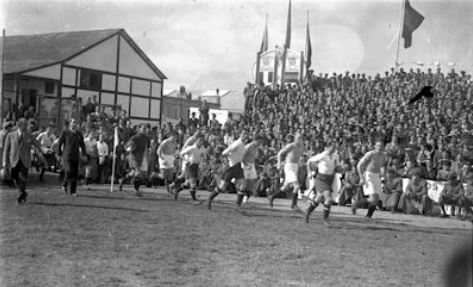
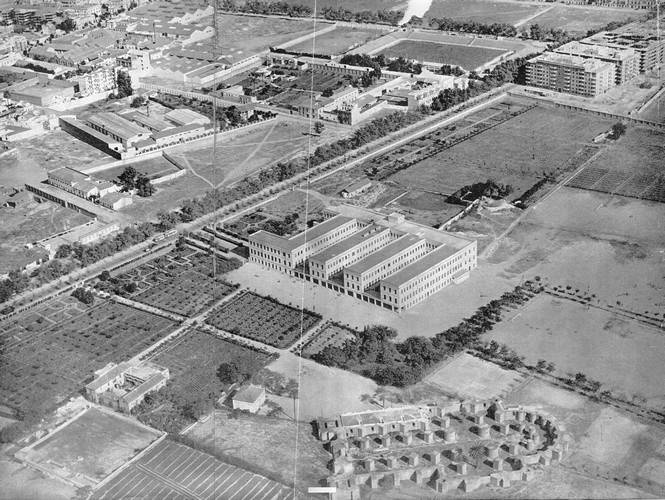
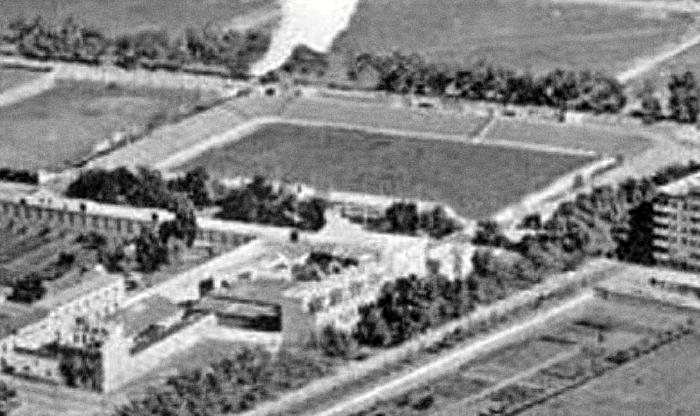
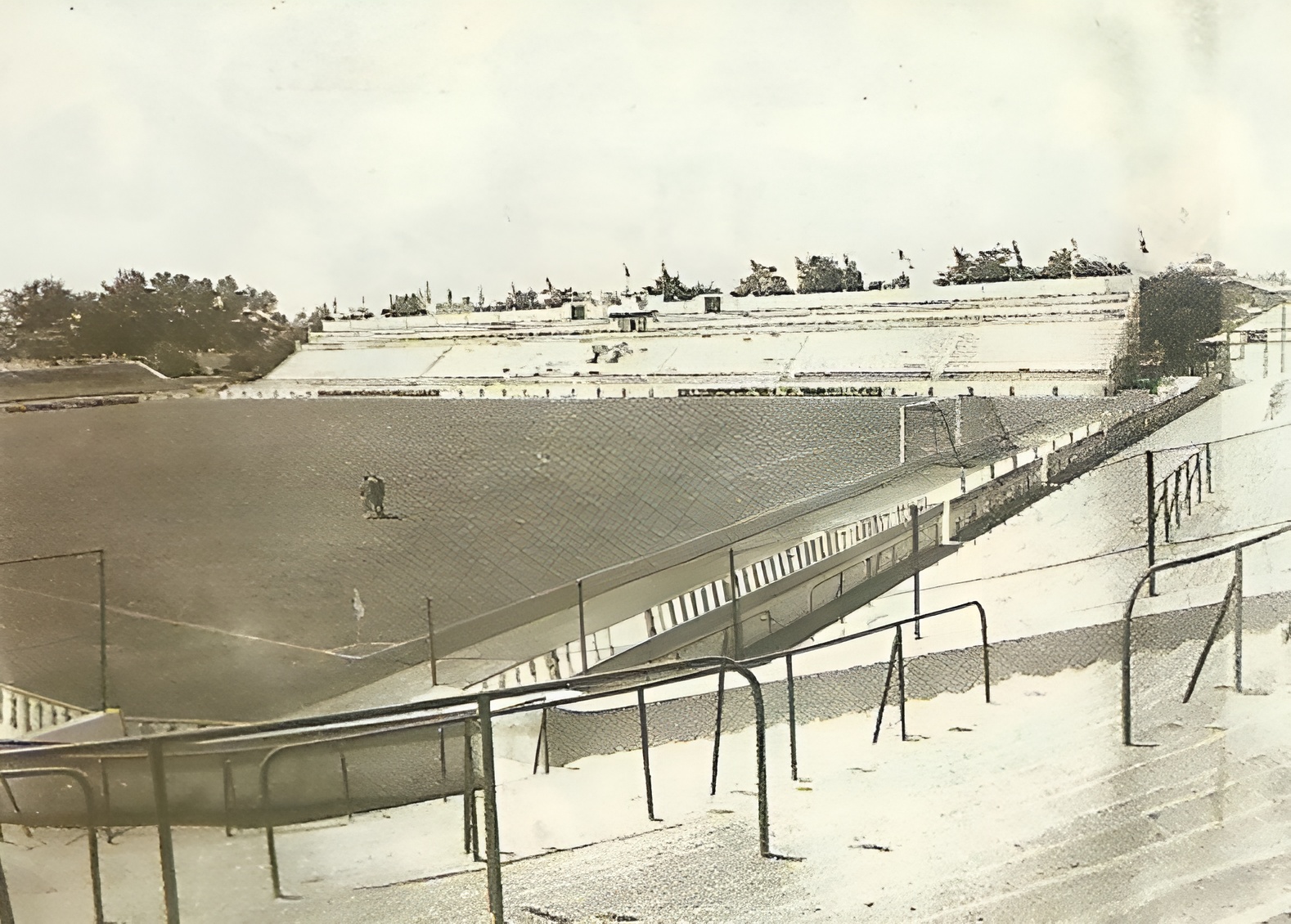
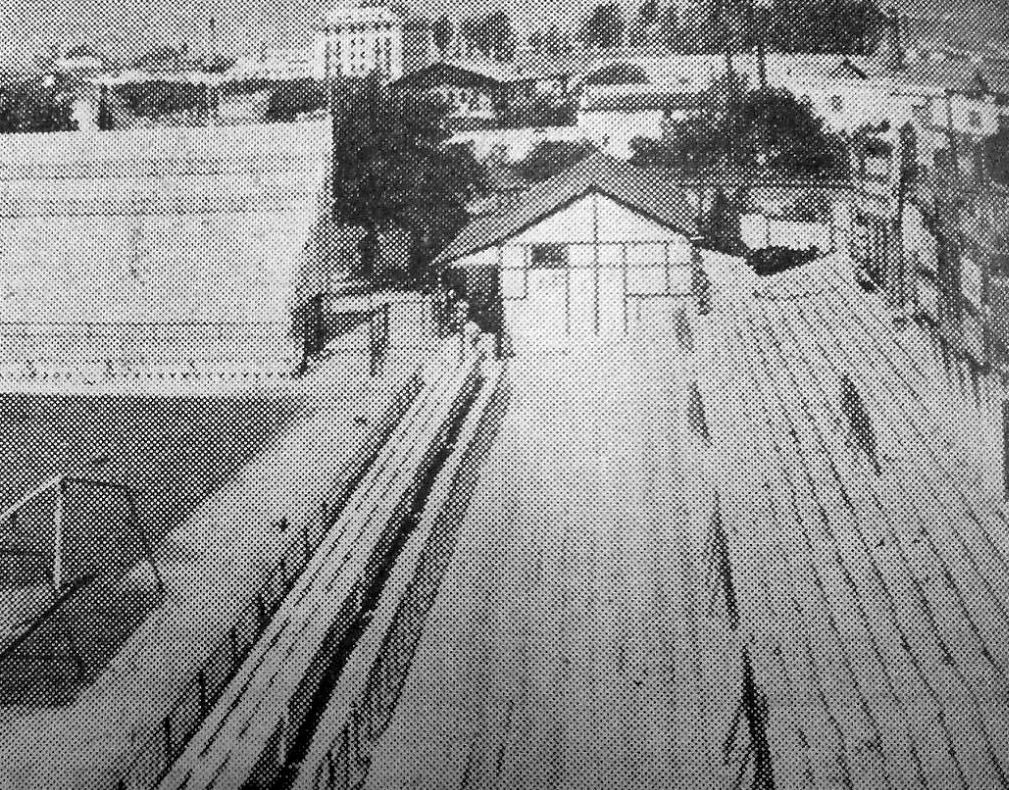
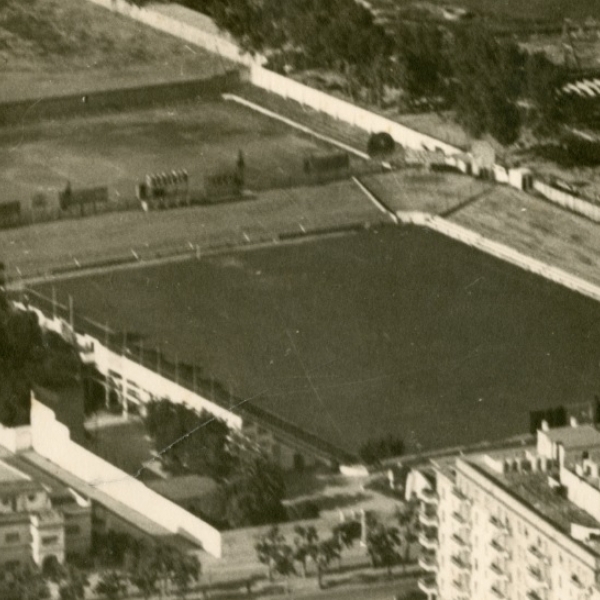
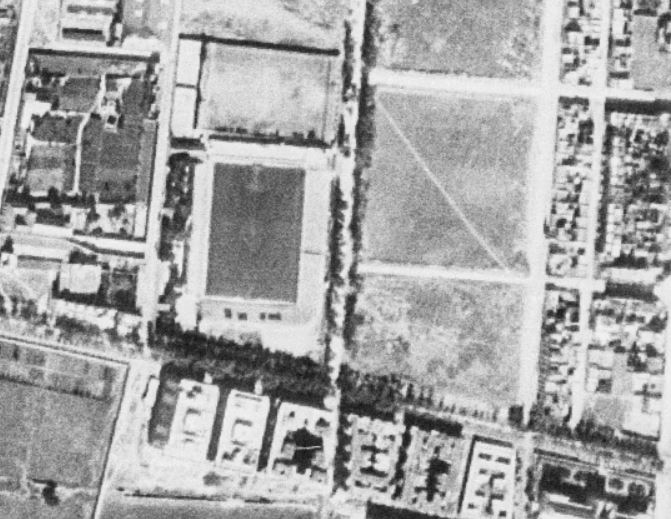
During the summer of 1928, the club constructed a square-style stadium that had a capacity of 12,000 on land rented from the Marquis de Nervión. It featured one large uncovered tribuna and three smaller terraces. The players & officials changed in a pavilion in the northwest corner of the ground, whilst there was a clubhouse and offices behind the main tribuna. The Campo de Nervión opened on 7 October 1928 with a match against cross-city rivals Betis, who had the temerity to win the fixture 1-2. Sevilla went on to win the inaugural second division championship, gaining revenge over Betis with a 3-0 win in the league match, but lost a promotion/relegation play-off to Racing Santander. Sevilla eventually won promotion to La Primera in 1934, by which time Ramón Sánchez Pizjuán had taken on the role of president. A year later, the Copa del Rey was won with a 3-0 victory over CE Sabadell at the Campo de Chamartín in Madrid.
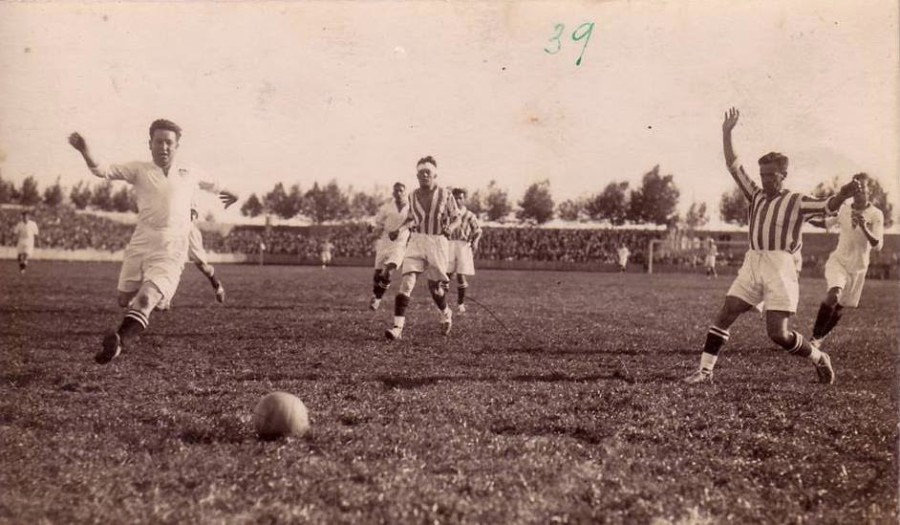
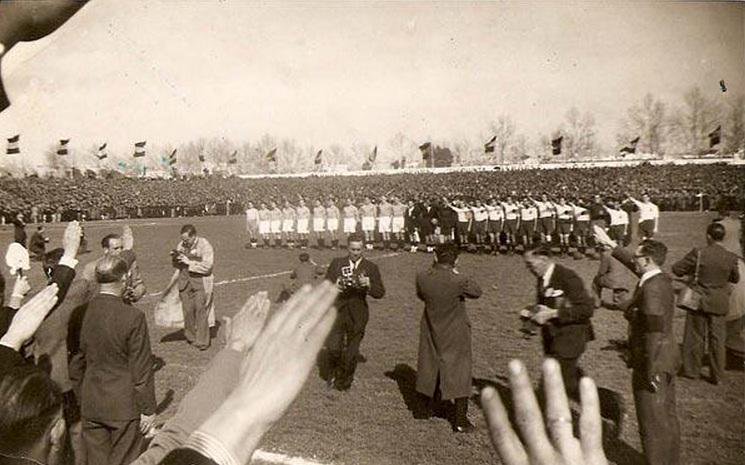
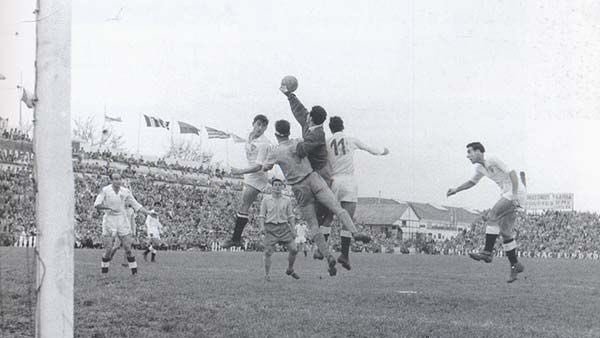
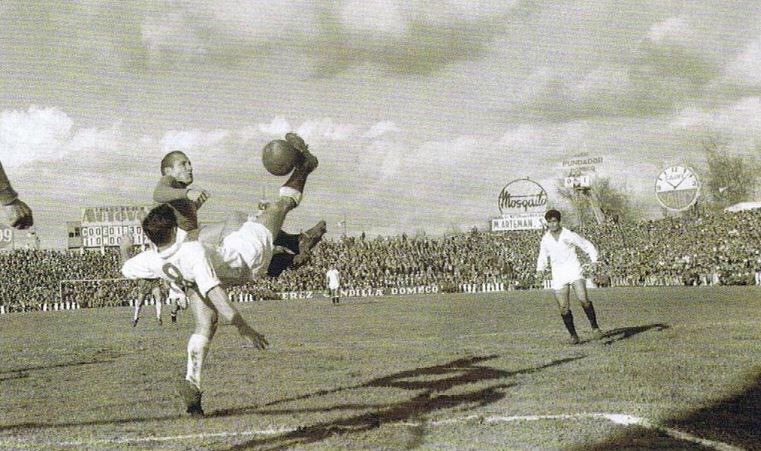
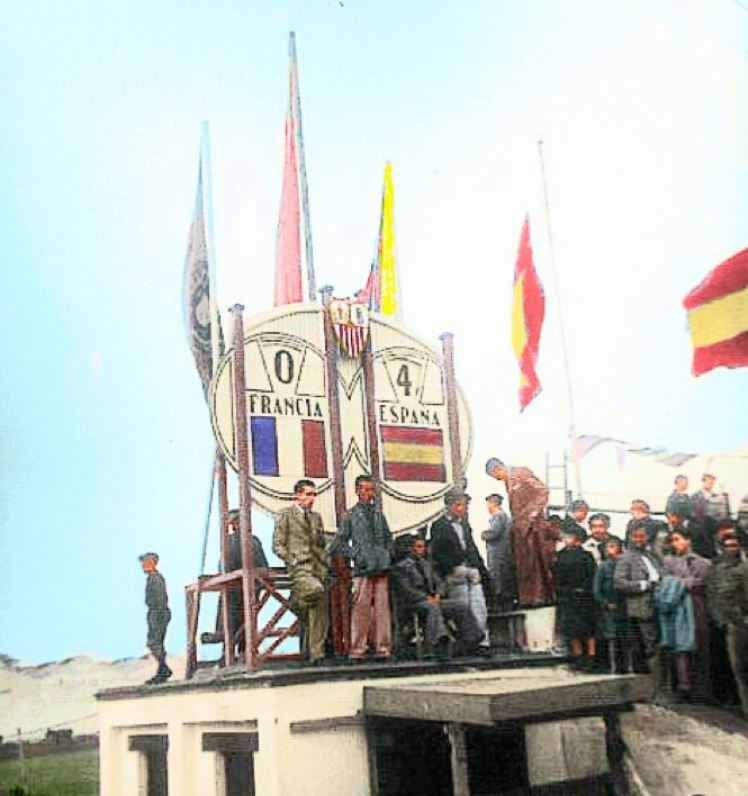
The city of Sevilla fell to the Nationalists at the start of the Civil War, and whilst Betis’ ground was rendered unplayable, Sevilla, thanks to a sympathetic board of directors, saw the Estadio Nervión become the administrative HQ of the Nationalists. On 29 April 1938, Ramón Sánchez Pizjuán signed off on the purchase of the Campo de Nervión, along with 42,000 square meters of land that surrounded the stadium, for a total of 429,000 pesetas. This was to prove to be an astute piece of business as Sevilla would benefit from the sale of plots of this land over the next fifty years. The move to the Campo de Nervión brought the best out of Sevilla as a further Copa del Rey was won in 1939, thanks to a comprehensive victory over Racing Ferrol at Montjuic in Barcelona. Some near misses in the league were all but forgotten when on the final day of the 1945-46 season, Sevilla drew 1-1 with Barcelona at the Camp de Les Corts to pip the Catalans to La Primera title. A further victory in La Copa followed in 1948, when Celta Vigo were beaten 4-1 at Chamartín. The Campo de Nervión hosted the Spanish National side on three occasions, vs Portugal (1929), Switzerland (1941) & France (1942).
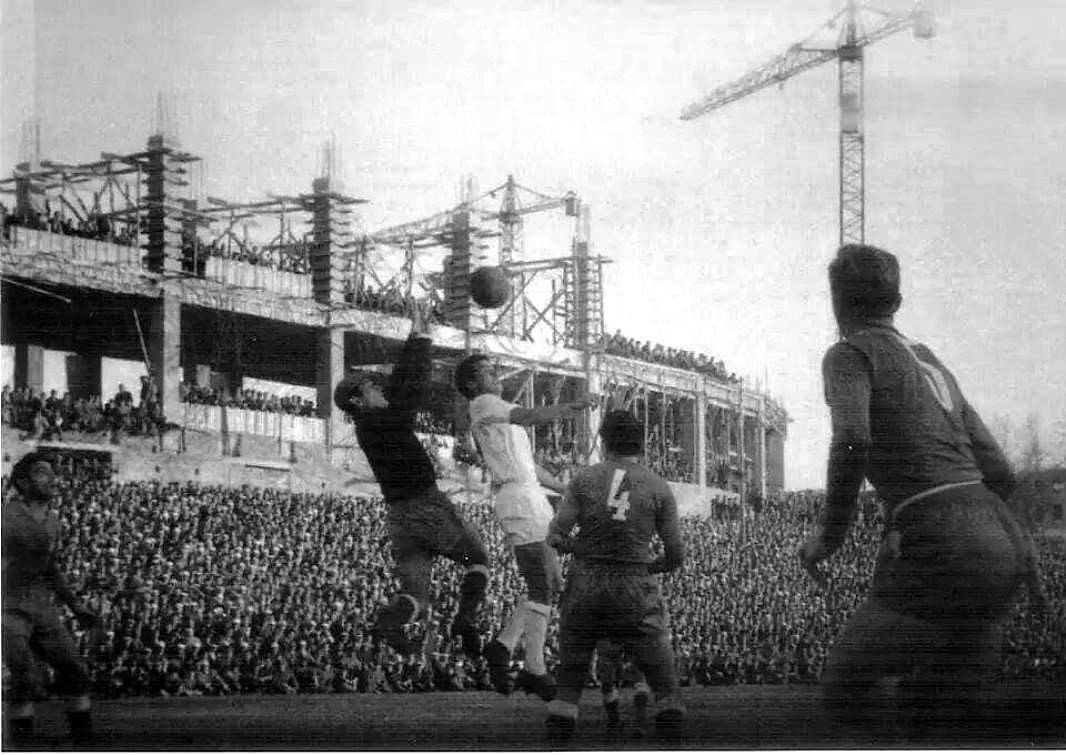
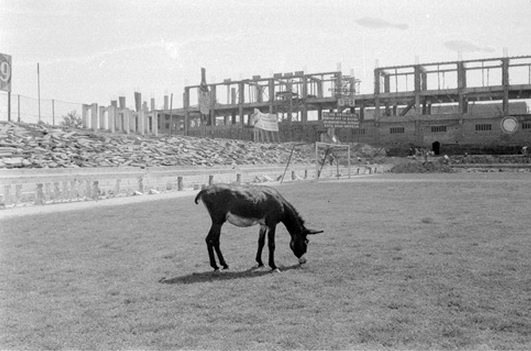
The forward-thinking Ramón Sánchez Pizjuán did not rest on his laurels, however. He recognised that the club would require a larger stadium if they were going to compete and sent a fact-finding delegation to Real Madrid to quiz them about their new stadium. By the mid-1950s, the club had amassed a 50 million peseta war chest, specifically set aside for the building of a stadium on the land purchased nearly 20 years earlier. Designed by Manuel Muñoz Monasterio, who had collaborated on the Nuevo Chamartín, the work was underway when, on 28 October 1956, the club was rocked by the sudden death of president Ramón Sánchez Pizjuán. Work continued, but progress was hampered by the quality of the subsoil. Sevilla played on at the Nervión, which at its peak had a capacity of 20,000. They finished second in the league in 1956-57 and were invited to compete in the European Cup, despite Real Madrid’s presence as champions.
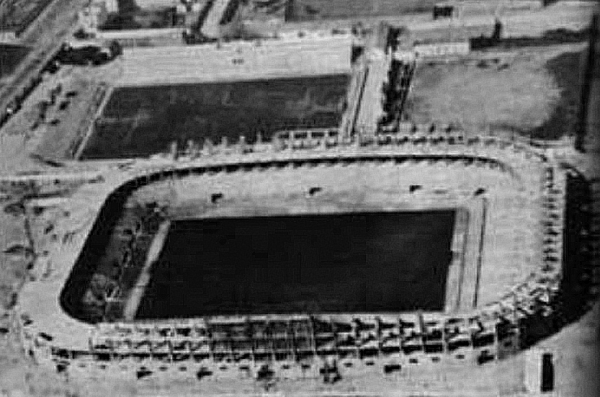
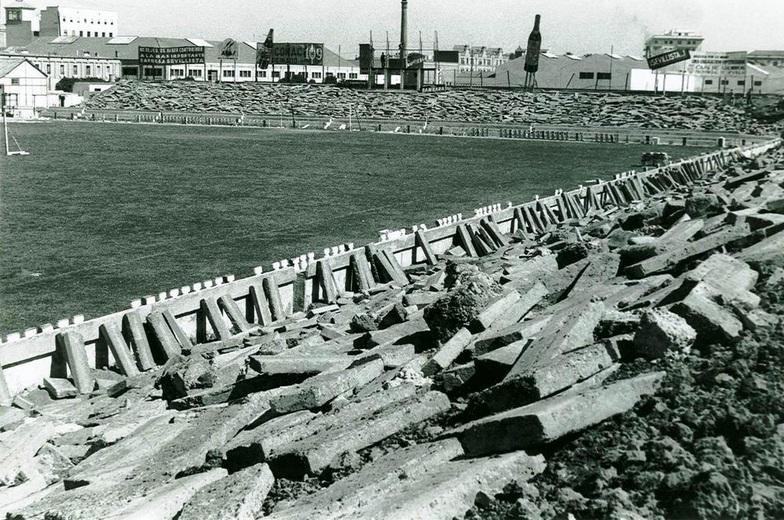
Sevilla played its last official game at the Campo de Nervión on 25 May 1958, when they beat UD Las Palmas by two goals to nil in the Copa. The Estadio Ramón Sánchez Pizjuán opened on 7 September 1958 with a friendly against Real Jaén, by which time the demolition teams had started their work and the Nervión’s stands & terraces were soon reduced to rubble.



 Estadios de España
1 thought on “Sevilla – Campo de Nervión”
Comments are closed.